How to Choose an EMS Red Light Hair Growth Comb
Wavelength, EMS frequency, battery and IP rating: the specification decisions that actually matter for a scalp device.
March 6, 2026 · Updated April 10, 2026 · 4 min read
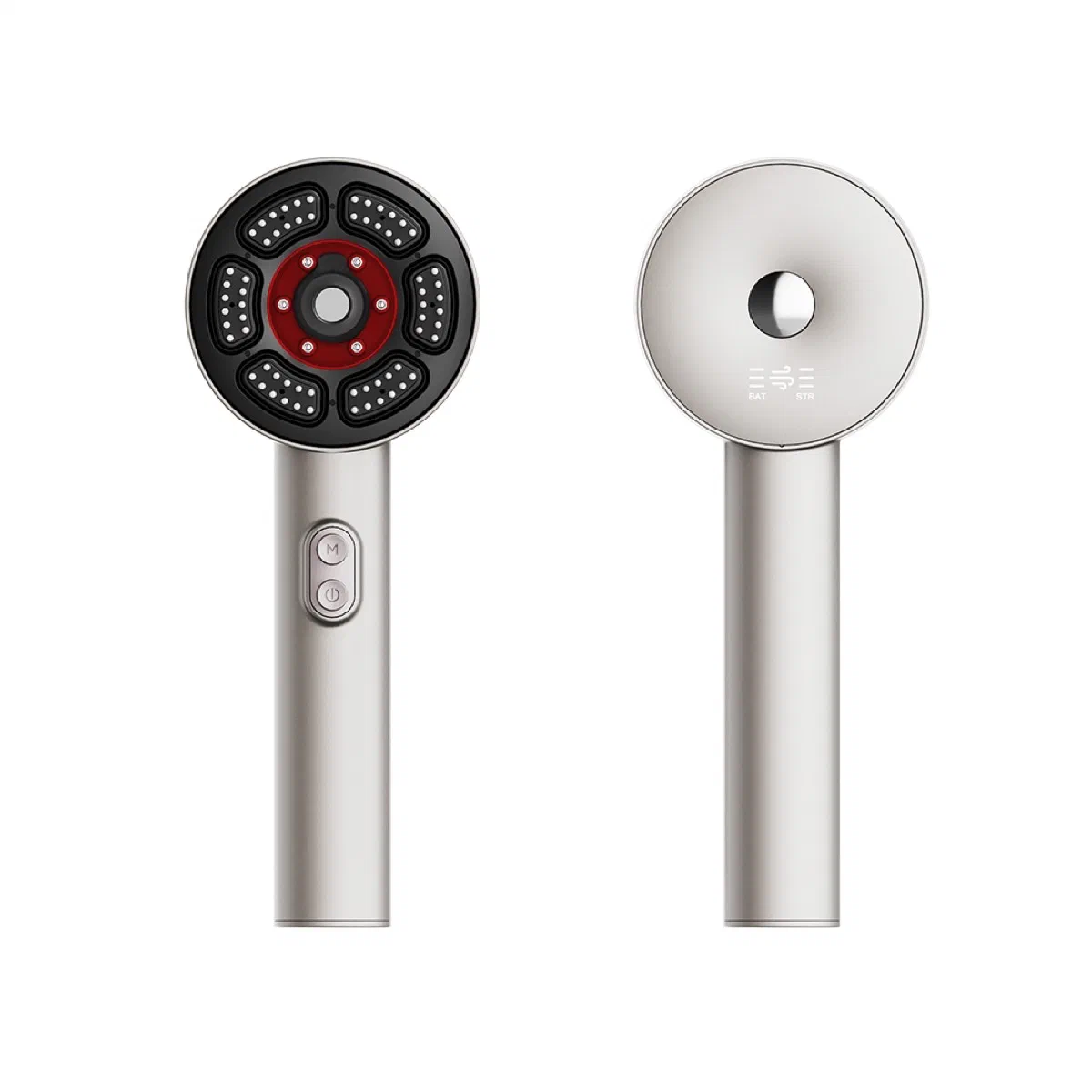
Scalp devices sit at an awkward intersection: they are sold on a cosmetic promise but borrow technology from physiotherapy, and the specification sheet mixes the two. This guide separates the parameters that change what the device does from the ones that change what the box says.
Wavelength: the first decision
Red light for the scalp typically sits in the 630–670 nm range, with some devices adding near-infrared around 810–850 nm for deeper penetration. What matters commercially:
- State the wavelength and the tolerance. “Red light” is a category, not a specification.
- Check the irradiance at the scalp, not the diode count. Hair blocks light; the number that matters is measured at the treatment surface.
- Consider comb geometry. A device that parts the hair reaches the scalp; a flat panel does not.
A scalp device competing on LED count is competing on the wrong number, for the same reason as any other phototherapy product.
EMS: what frequency range is defensible
EMS on the scalp is used for stimulation rather than for muscle building, and the parameters differ from a facial device. Three points to settle:
Frequency range. Low-frequency pulses are typical; the useful range should be stated and the steps between levels should be perceptible but not startling.
Contact. EMS needs a conductive path. On a comb, this means either a wet scalp or conductive teeth — and the manual has to say which.
Intensity ceiling. Higher is not better here. A device that can be turned uncomfortably high will be, and the review will say so.
Battery, IP rating and the boring decisions
| Parameter | Why it matters in use |
|---|---|
| Battery capacity | Determines whether a full treatment fits in one charge |
| Charging | USB-C is now expected; proprietary docks get lost |
| IP rating | A bathroom device needs at least splash resistance |
| Weight | A comb is held for minutes; 200 g and 300 g feel very different |
| Comb teeth | Material, spacing and flexibility determine whether it pulls |
These are the parameters that generate returns, and they are usually decided last.
What the claim can and cannot be
This is the part where buyers get into trouble. “Hair growth” is a medical claim in most markets, and a device sold on that promise without the supporting evidence and the right regulatory pathway is exposed — regardless of who manufactured it.
Two honest positions are available:
- Cosmetic positioning — the device supports scalp care and the appearance of hair condition. Claims stay within cosmetics regulation.
- Medical positioning — the device is registered as a medical device for a stated indication, with the evidence and the classification that requires.
What is not available is the middle: cosmetic registration with medical claims in the copy.
We build scalp devices on both bases and we say clearly which one a model is designed for; the hair and scalp range lists the current platforms.
Specification checklist
Before ordering, confirm in writing:
- Wavelength(s) and tolerance, per channel
- Irradiance at the scalp and the distance it was measured at
- EMS frequency range and the number of intensity steps
- Battery capacity, charging standard and runtime per session
- IP rating
- Comb geometry and material
- Intended claim, and the regulatory route that supports it
How it fits a product line
A scalp device works commercially as an entry product: lower price point than a facial platform, simpler certification, and a natural add-on to a shampoo or serum line. The engineering risk sits mostly in the comb geometry and the contact path, not in the electronics.
How to test a comb before you order
A scalp device is unusually easy to evaluate with a sample, because the failure modes are physical.
The parting test. Use the comb on dry hair and see whether the teeth actually reach the scalp. Many devices look correct in a photograph and simply ride over the hair. If the teeth do not part the hair, the light never reaches the skin and the EMS circuit has no path.
The pull test. Run the comb through a tangle. A comb that pulls is a comb that will not be used daily, and daily use is the entire business case for a home device.
The contact test. With EMS running, move the device off the scalp. A device with proper contact detection drops or cuts output; one without it will keep driving current into whatever it is touching, including fingers.
The session test. Run a full session at the recommended settings and check whether the battery lasts and whether the device becomes warm. Warm is acceptable; hot is a design problem.
Twenty minutes with a sample answers more than a specification sheet, and it is the cheapest part of the project.
Planning a scalp device? Send us the claim you intend to make and the markets you will sell in. We will tell you which positioning the device can support before you commit to tooling.