RF, Ultrasound and Infusion Devices Compared
Three routes to the same promise. How they differ mechanically, what each is good for, and the labelling obligations buyers often overlook.
June 25, 2026 · 4 min read
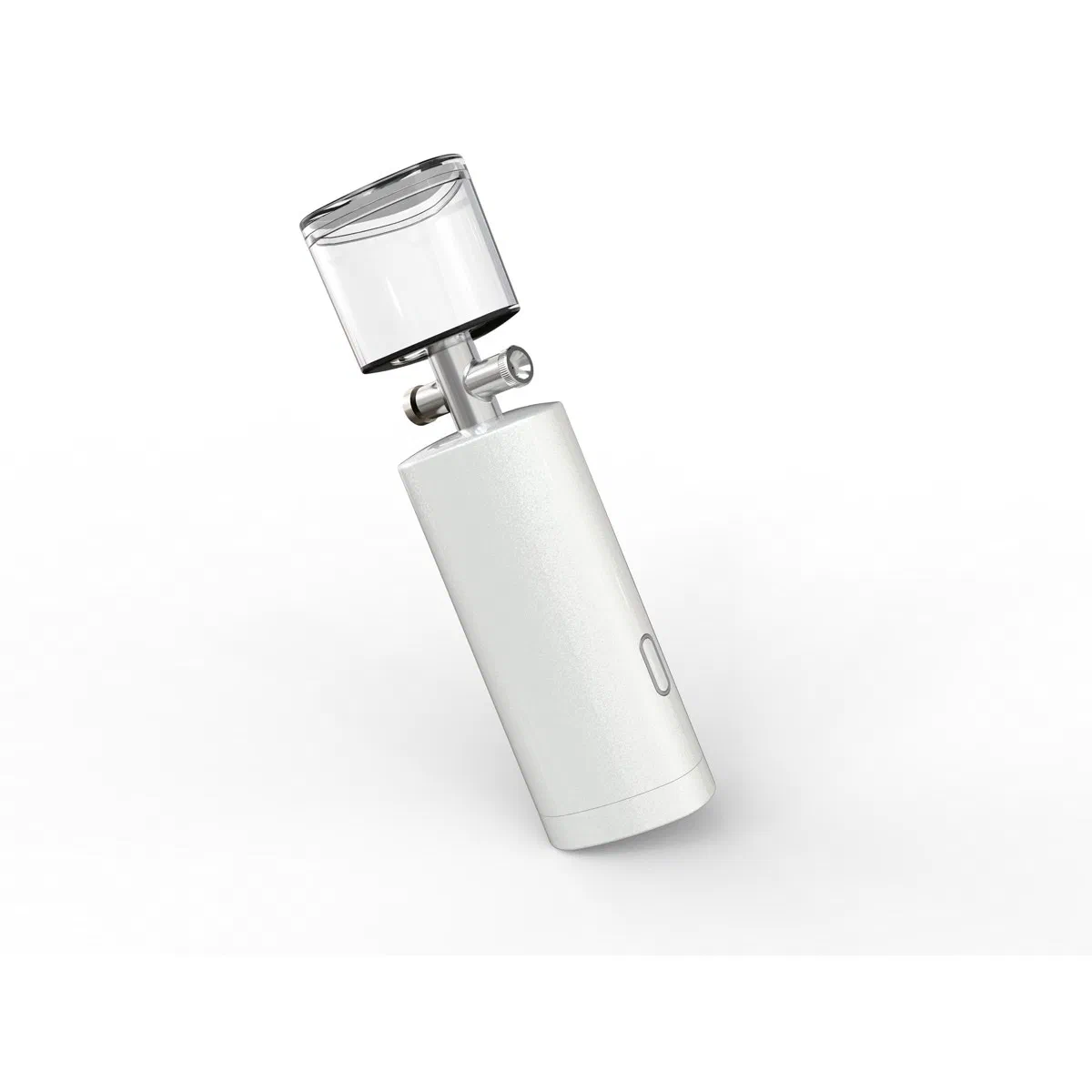
Three device families in the home beauty market promise similar outcomes by entirely different means: radio frequency heats tissue, ultrasound uses acoustic energy, and infusion devices deliver fluid into the skin under pressure.
Buyers routinely compare them by outcome claims. They should compare them by mechanism, because the mechanism determines what the device can do, what it cannot, and what has to be printed on the box.
The three mechanisms
Radio frequency delivers alternating current that heats tissue by electrical resistance. The energy is electrical; the effect is thermal. Control is a thermal problem: enough energy to matter, not enough to burn.
Ultrasound delivers acoustic energy at frequencies typically in the 1–3 MHz range for cosmetic devices. It produces mechanical effects (cavitation, microstreaming) and some heating depending on intensity and duty cycle. Control is a coupling problem: acoustic energy does not travel through air, so contact and coupling medium matter more than the electronics.
Infusion is not an energy device at all. It delivers a fluid — serum, essence, oxygen-carrying mist — into or onto the skin by pressure, vacuum or micro-channel. The engineering problem is fluid dynamics, not field strength.
| Feature | RF | Ultrasound | Infusion |
|---|---|---|---|
| Energy type | Electrical → thermal | Acoustic | Mechanical / fluid |
| Coupling requirement | Skin contact, conductive gel sometimes | Coupling medium essential | Nozzle or tip contact |
| Main design risk | Thermal safety | Contact and coupling consistency | Fluid path stability, hygiene |
| Typical claim | Firming, contour | Deep heating, product penetration | Hydration, absorption |
| Certification sensitivity | Higher (emissions, safety) | Moderate | Depends on fluid path and pressure |
Why the mechanism matters commercially
The mechanism determines three commercial facts that a specification sheet will not tell you.
What you can claim. Infusion devices deliver a substance, which means claims about the substance may fall under cosmetics regulation in some markets rather than device regulation. RF makes no such claim and sits squarely in device territory. Getting this wrong is a compliance problem that surfaces at customs, not at design.
What the user feels. RF is warm, ultrasound is a faint hum, infusion is wet. These map onto different user expectations and different return rates. A device that feels like nothing is harder to justify at a premium price than one that produces a clear sensation.
What fails first. RF devices fail on temperature control and electrode wear. Ultrasound fails on coupling — users do not use enough gel. Infusion fails on clogged fluid paths and dried serum. Each of these is a design decision, not a manufacturing accident.
Labelling obligations buyers overlook
Two obligations come up repeatedly in this category and are worth stating plainly.
Contraindications. Energy devices carry real contraindications — pregnancy, implanted electronics, active skin conditions, recent procedures. These belong in the manual and, in many markets, on the packaging. A brand that ships without them is exposed regardless of who manufactured the device.
Intended use statements. The line between a cosmetic device and a medical device is often drawn by the intended-use wording, not the hardware. Writing “reduces wrinkles” in a manual can change the regulatory class in some jurisdictions. The manufacturing partner can build either, but the brand owns the claim.
We say this in writing to clients because it is a conversation that is much cheaper before tooling than after customs.
Choosing for your market
A practical sequence for a brand deciding between the three:
- Start with the claim you want to make, and check it against the regulations of each target market.
- Then choose the mechanism that supports the claim with the least regulatory exposure.
- Then set the price point, because mechanism determines the bill of materials more than the housing does.
- Only then look at platform availability.
Doing it in the other order — picking a platform and then inventing a claim — is how products end up needing a manual rewrite after certification.
We build all three families: RF and EMS facial devices, infusion devices and the technology pages explain the principles behind each.
Where the cost sits
The three mechanisms diverge sharply in bill of materials, and not where most buyers expect. The housing, packaging and assembly are broadly similar; the difference is in the drive electronics and the safety chain.
| Cost driver | RF | Ultrasound | Infusion |
|---|---|---|---|
| Drive electronics | Power stage, thermal sensing, cut-off logic | Transducer driver, frequency control | Motor or pump control |
| Safety chain | Surface temperature limit, contact detection | Coupling detection, duty control | Pressure limits, fluid path containment |
| Consumables | None, but electrodes wear | Coupling gel | Cartridges, tips |
| Certification scope | Widest (emissions + safety) | Moderate | Narrower, but fluid contact may add requirements |
Two practical consequences follow. First, RF devices are the hardest to build cheaply without cutting the safety chain, which is where cheap devices fail. Second, infusion devices have the lowest electronics cost and the highest recurring revenue, which is why so many brands start there.
What “professional grade” usually means
Marketing copy in this category uses “professional” loosely. In practice the word tends to mean one of three things, and they are not equivalent:
- Higher output, with the safety chain to match
- A larger treatment area, which changes the optical or acoustic design
- A different protocol, longer sessions at lower intensity
Only the first two are hardware differences. The third is a manual. When a supplier describes a device as professional grade, ask which of the three they mean — the answer tells you whether you are buying a different product or the same product with a different leaflet.
Comparing mechanisms for a specific market? Send the claim you intend to make and the countries you will sell in. We will tell you which mechanism carries the least compliance risk for that combination.