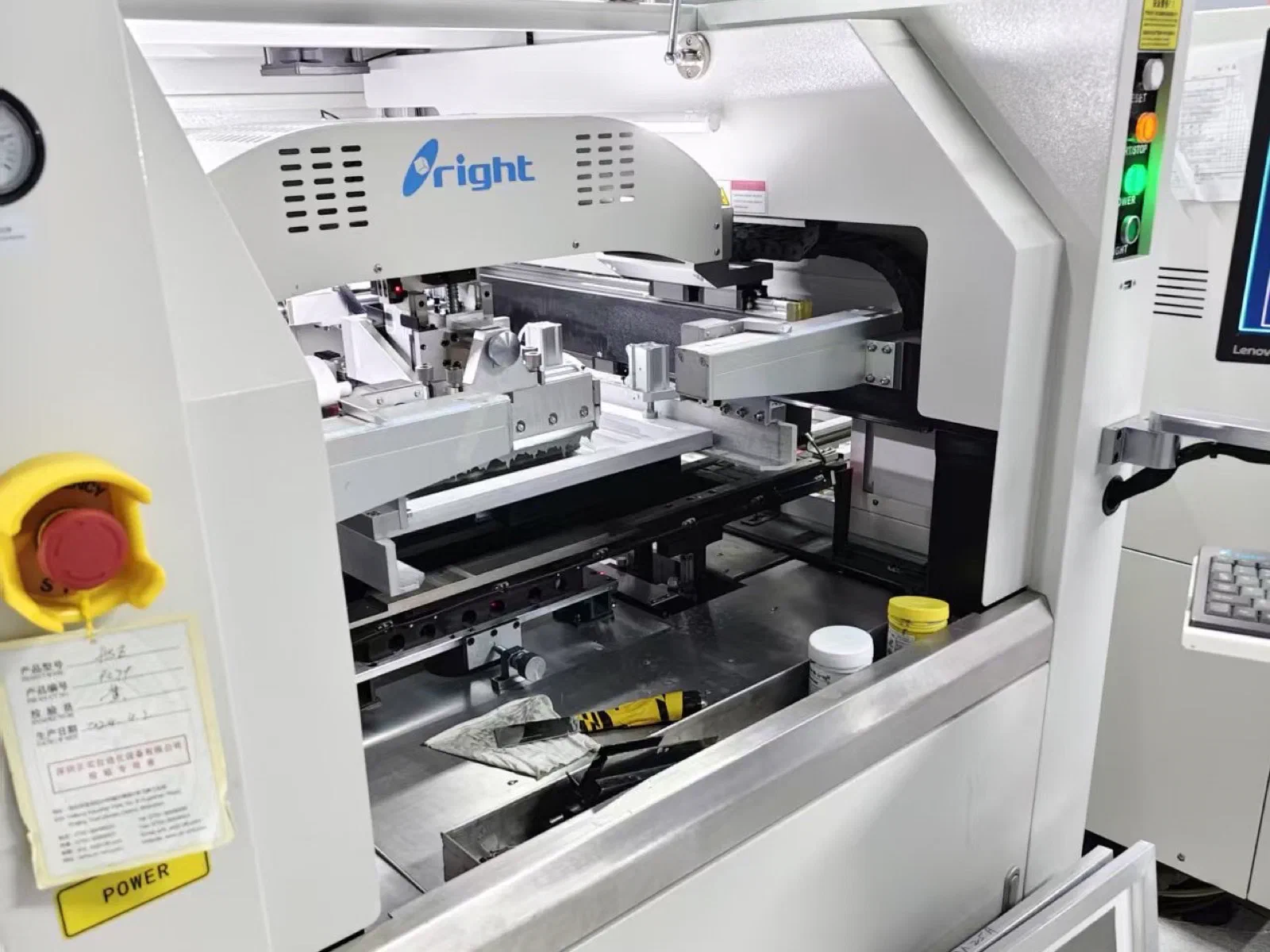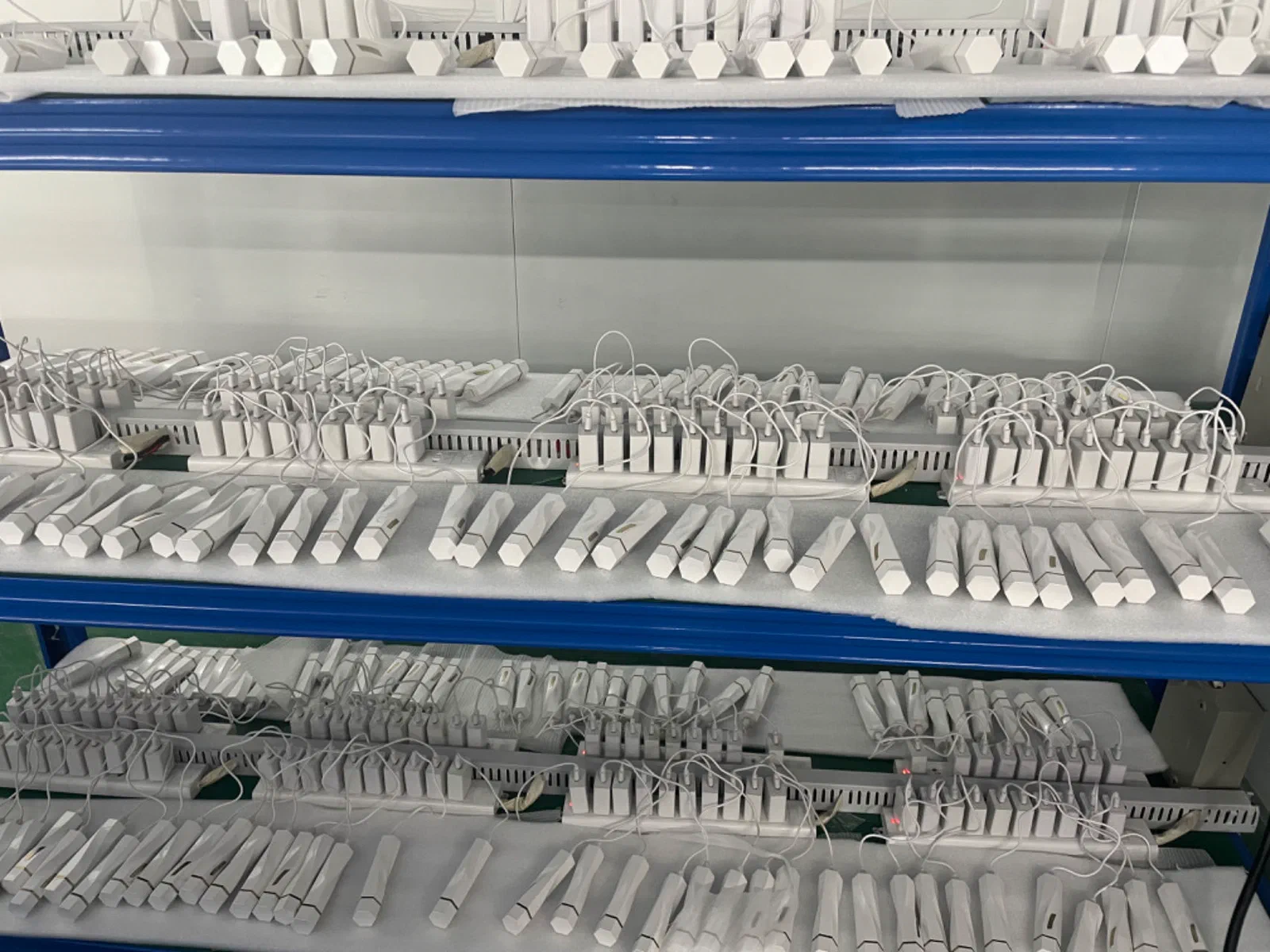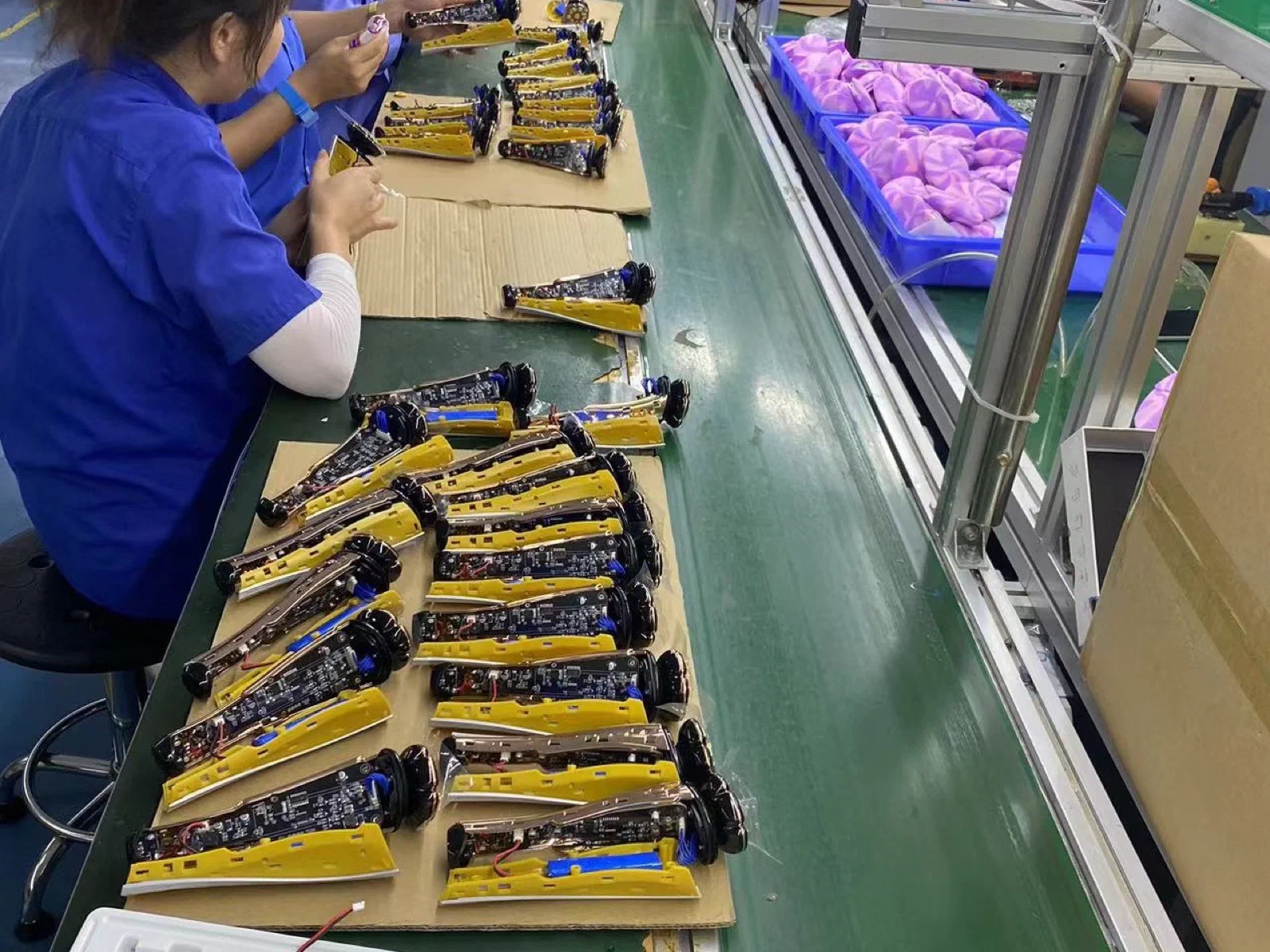
Assembly & Manufacturing
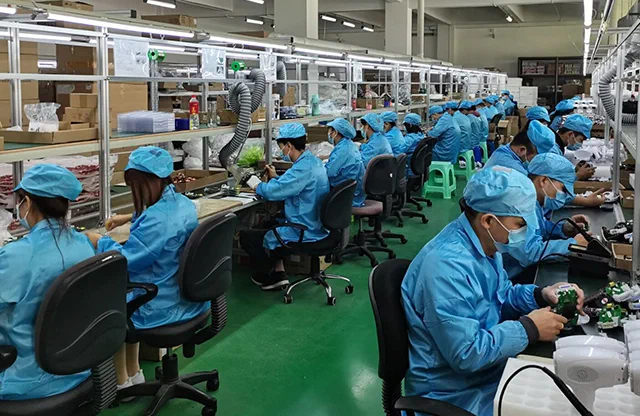
Assembly lines with in-line functional testing and aging before packing.
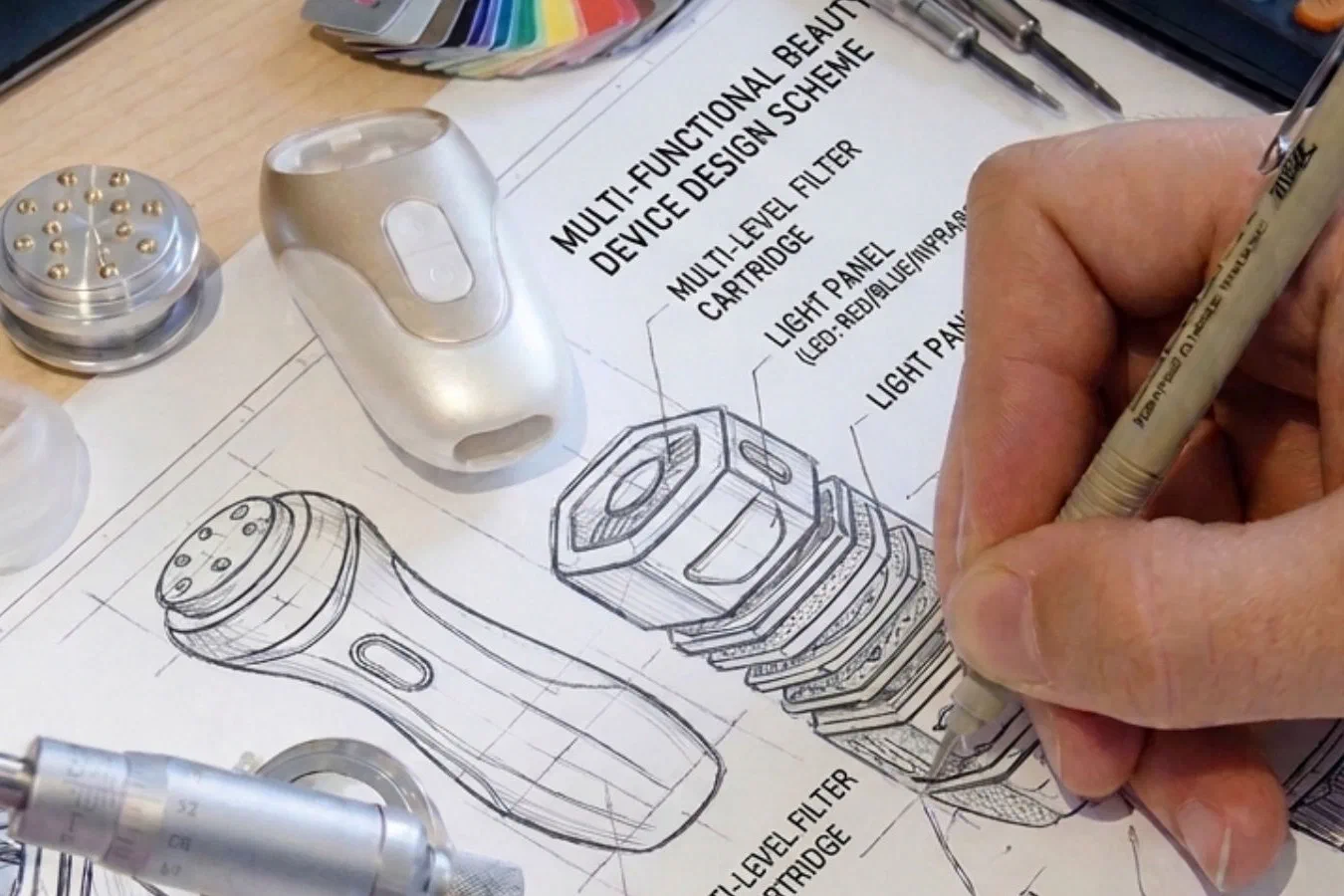
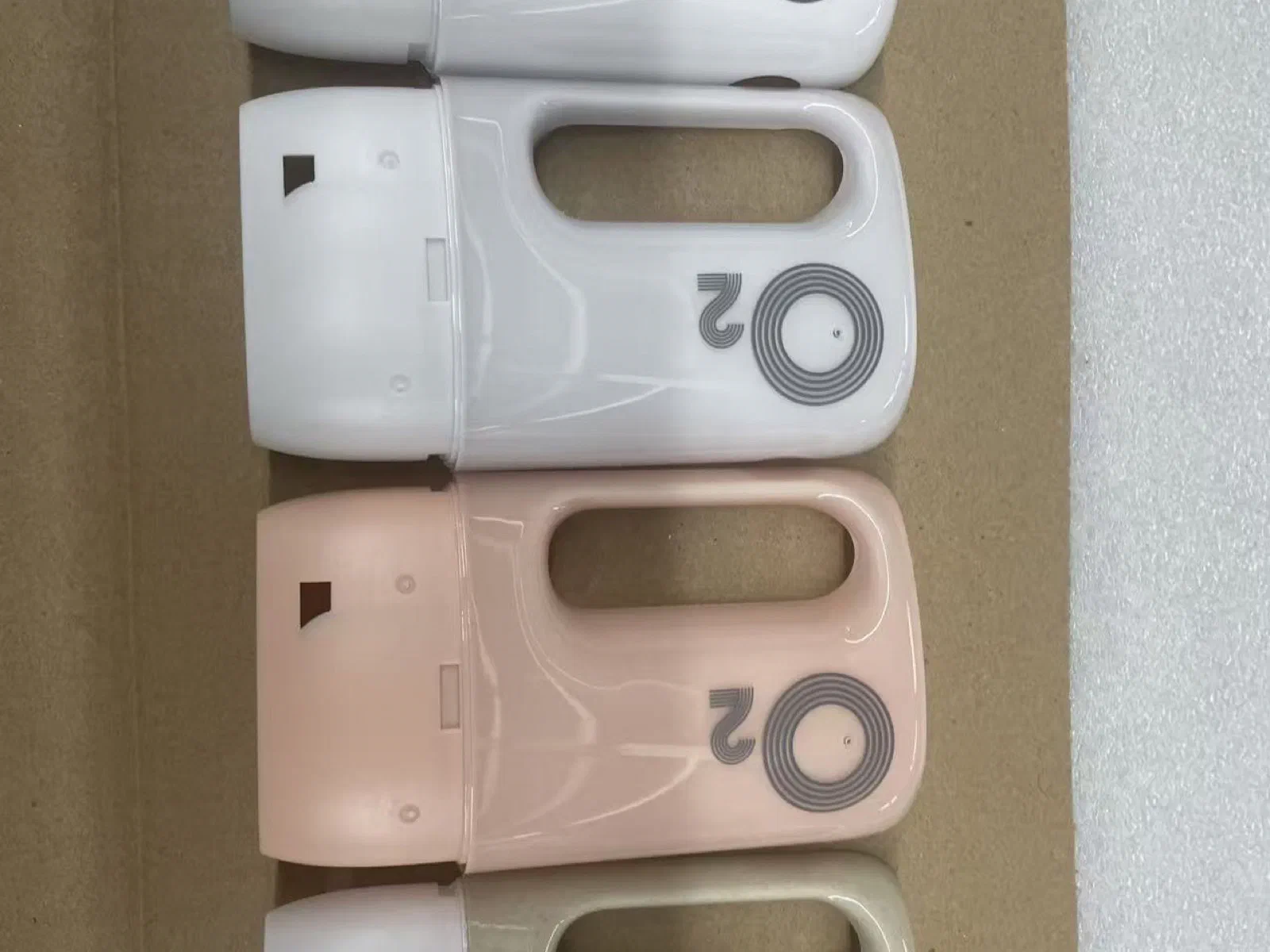
A finished unit is not the same thing as a working prototype. Assembly is where a design meets the line: a connector that needs two hands, a screw that cross-threads, a test that takes longer than the cycle time. Those problems are solved by fixtures and by sequence, and they are solved before the order runs.
Test at the station, not at the end
Functional test sits at the build station where the fault would be created. Catching a misplugged connector three stations later means unwinding the product to find it; catching it at the station means one repair, not a rebuilt unit.
Aging before packing
Every unit runs before it is packed. Aging is where intermittent faults surface — a solder joint that is marginal, a battery that drops out under load, firmware that hangs after a few cycles. Skipping it does not remove the fault; it moves the failure to the customer, where the cost is a return, a replacement and the relationship.
A repeat order that builds the same product
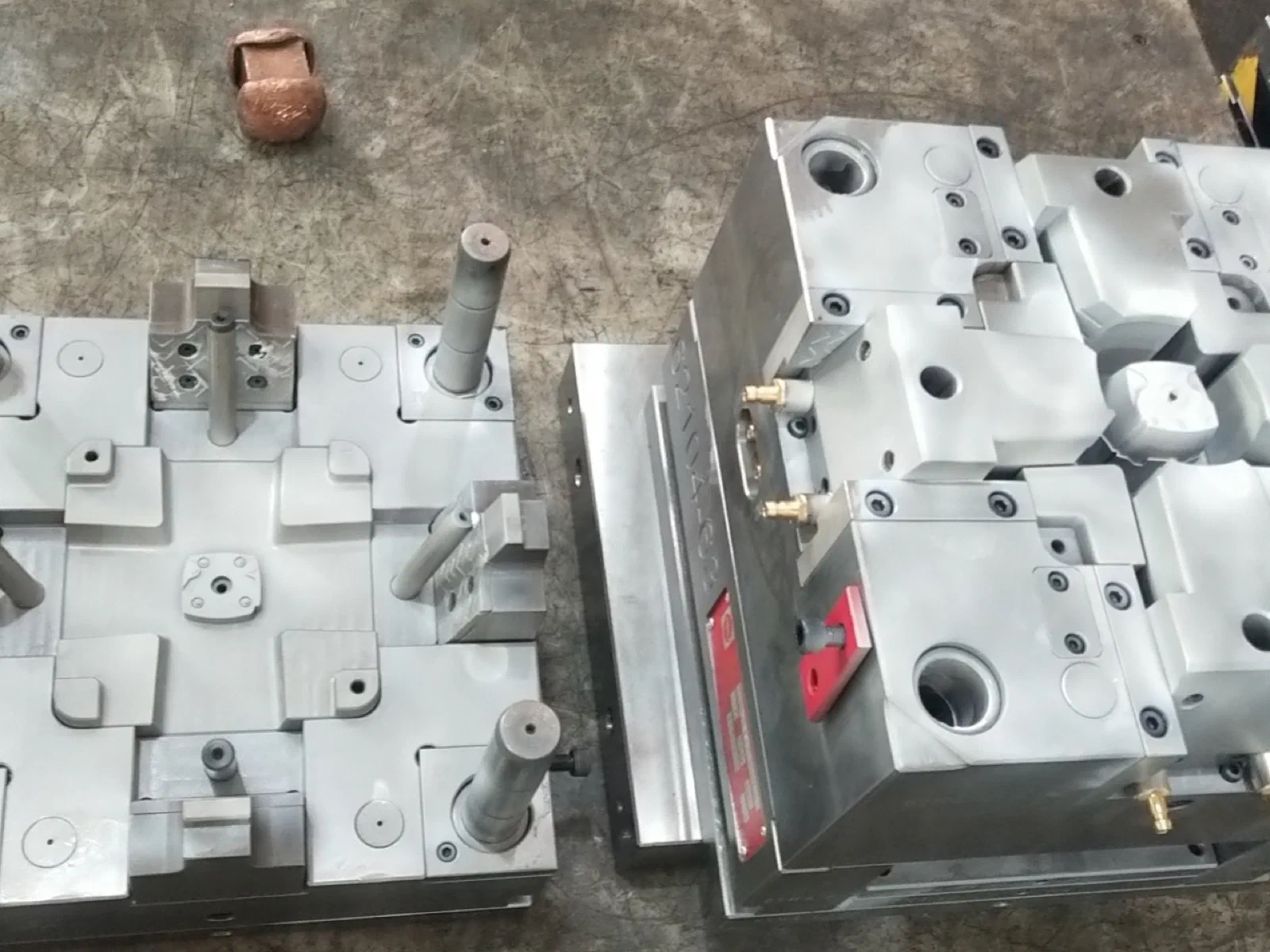
Fixtures, assembly instructions, torque and press settings and the test limits are kept per model. A second order is built against the same records, which is what makes “the same as last time” a statement rather than a hope.
At a glance
- Production lines
- 4 assembly lines, 200 staff, 50 engineers and 10 QC specialists
- Capacity
- 100,000 units per month, 1,200,000 per year
- In-line test
- Functional test at the station, not only at the end of the line
- Aging
- Every unit runs before packing; intermittent faults surface here rather than at the customer
- Repeat orders
- Fixtures, assembly instructions and test records kept per model, so a second order builds the same product
What you get