Industrial Design
Product form, ergonomics, CMF and packaging design for beauty devices.
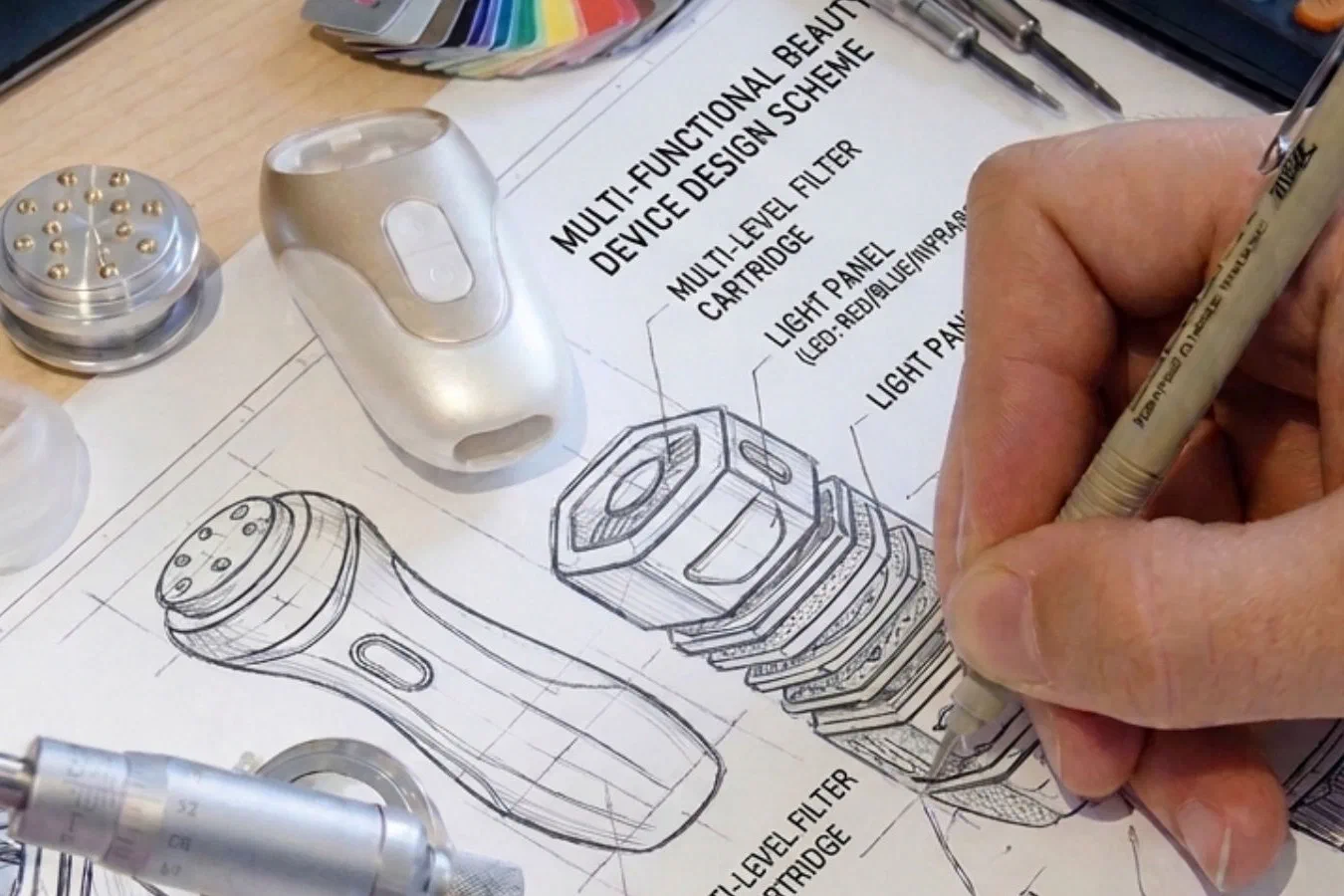
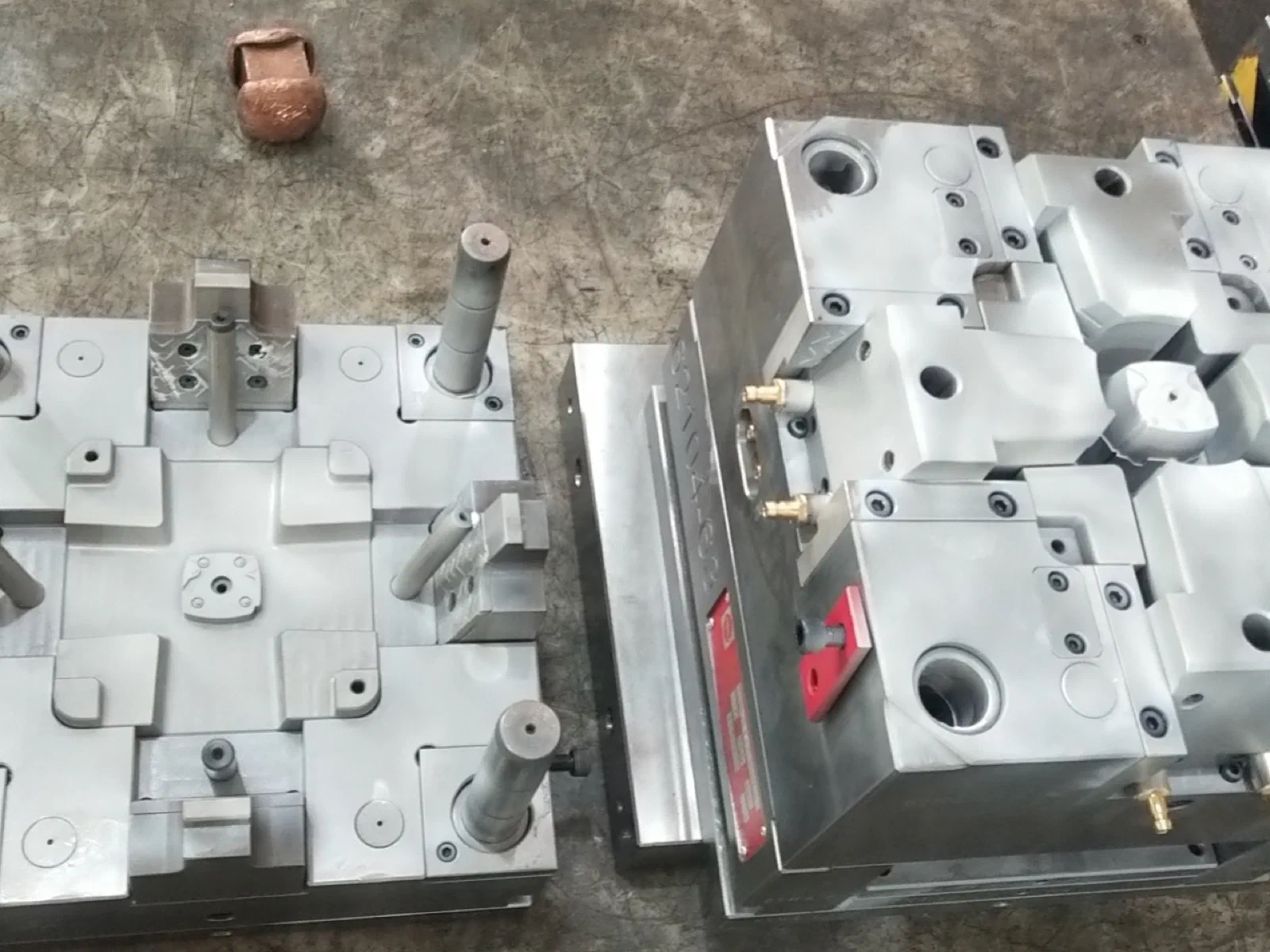
Design for a beauty device is constrained by three things at once: how it feels in the hand, how it is used in front of a mirror, and what the mold can actually produce. A shape that photographs beautifully but cannot be drafted, or that reads as cheap once the parting line becomes visible, is a problem moved to the tooling stage — the point at which a change is most expensive.
We design inside those constraints instead of around them. The parting line is decided while the form is still fluid, together with draft angles, wall thickness and surface finish. If a two-tone housing would need a second mold, the cost is said out loud at concept stage rather than after the renders have been approved.
CMF is a shop-floor instruction
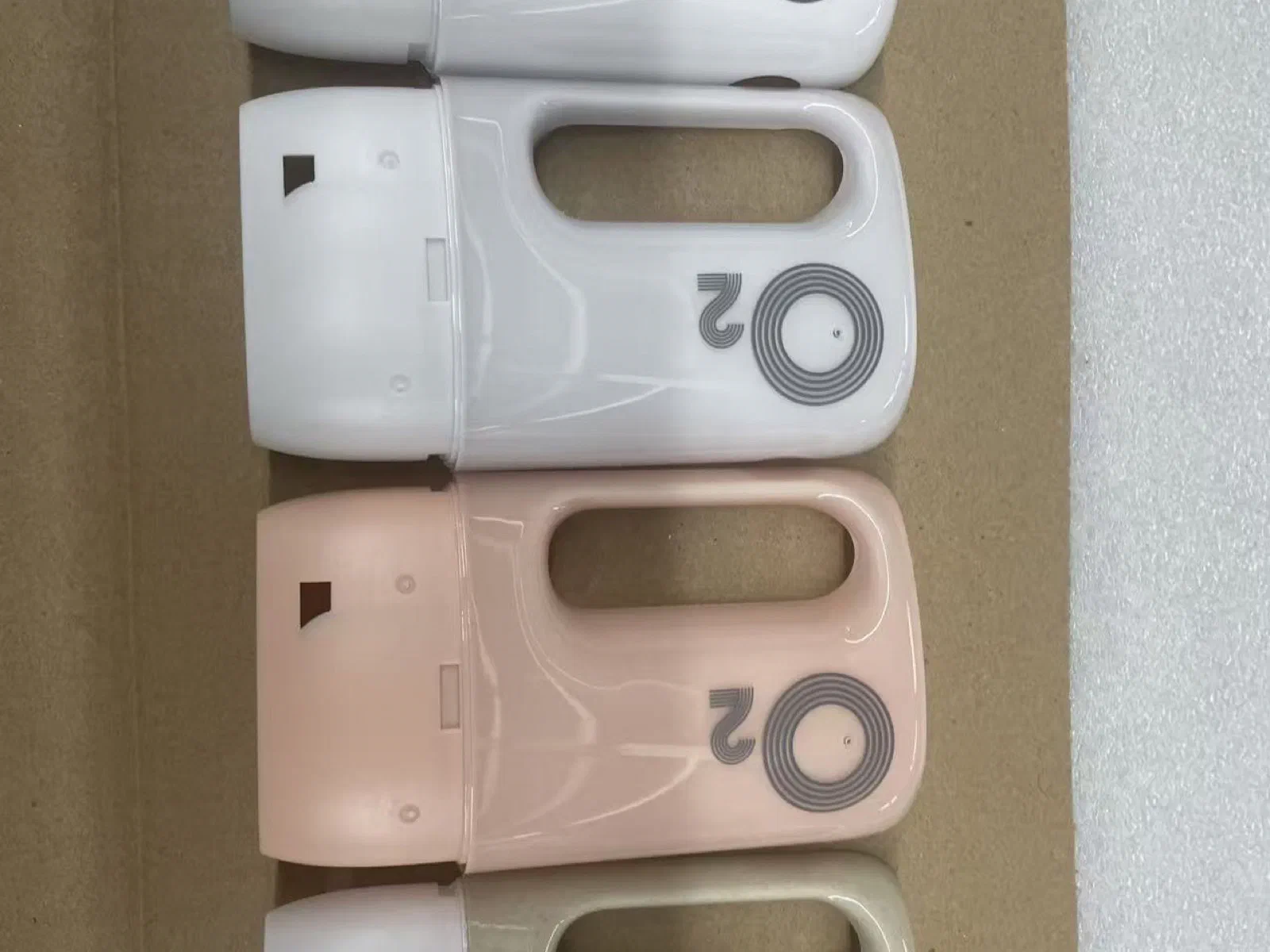
Colour, material and finish are written as values the molder and the paint shop can repeat: a Pantone reference, a texture code and a gloss level, not “soft touch” and “premium feel”. That is what makes the second production run look like the first.
Packaging is part of the product
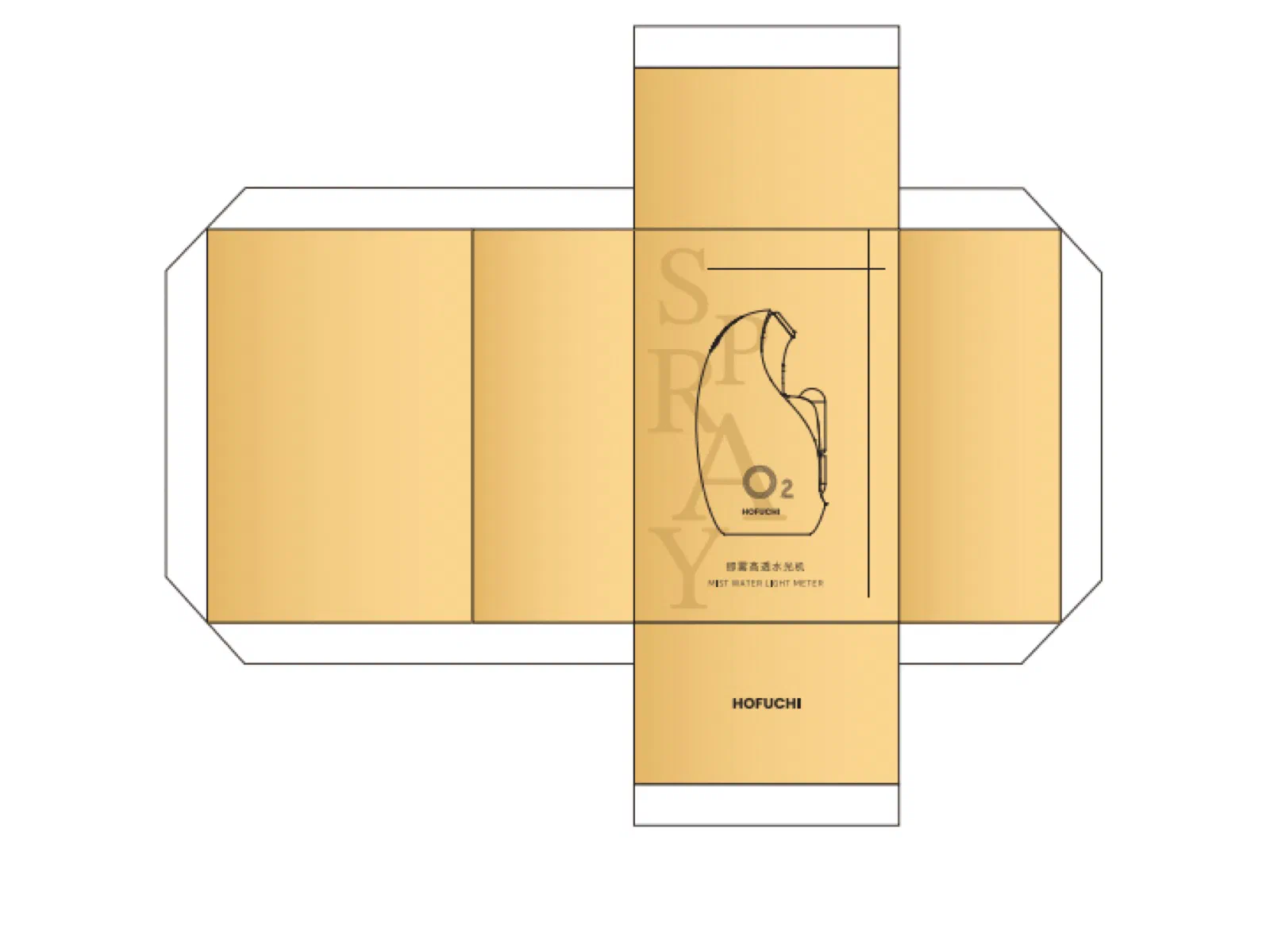
The retail box, the inner insert and the artwork are designed with the device, not after it. A unit can survive the shipping test and still arrive damaged because the insert was drawn around a different housing.
What the buyer receives
A tooling-ready surface model, a CMF sheet and print-ready packaging — three deliverables a molder, a paint shop and a printer can each quote without a meeting.
At a glance
- Deliverables
- Concept sketches, tooling-ready 3D surface model, CMF specification, packaging and unboxing
- Design constraints
- Hand feel, use in front of a mirror, and what the mold can actually produce
- CMF
- Colour, material and finish written as shop-floor values, not mood-board words
- Packaging
- Retail box dieline, inner insert and print-ready artwork
- In-house IP
- Design patent CN 308838884 S on the LKL2315 housing, owned by the company
What you get