Mold Development
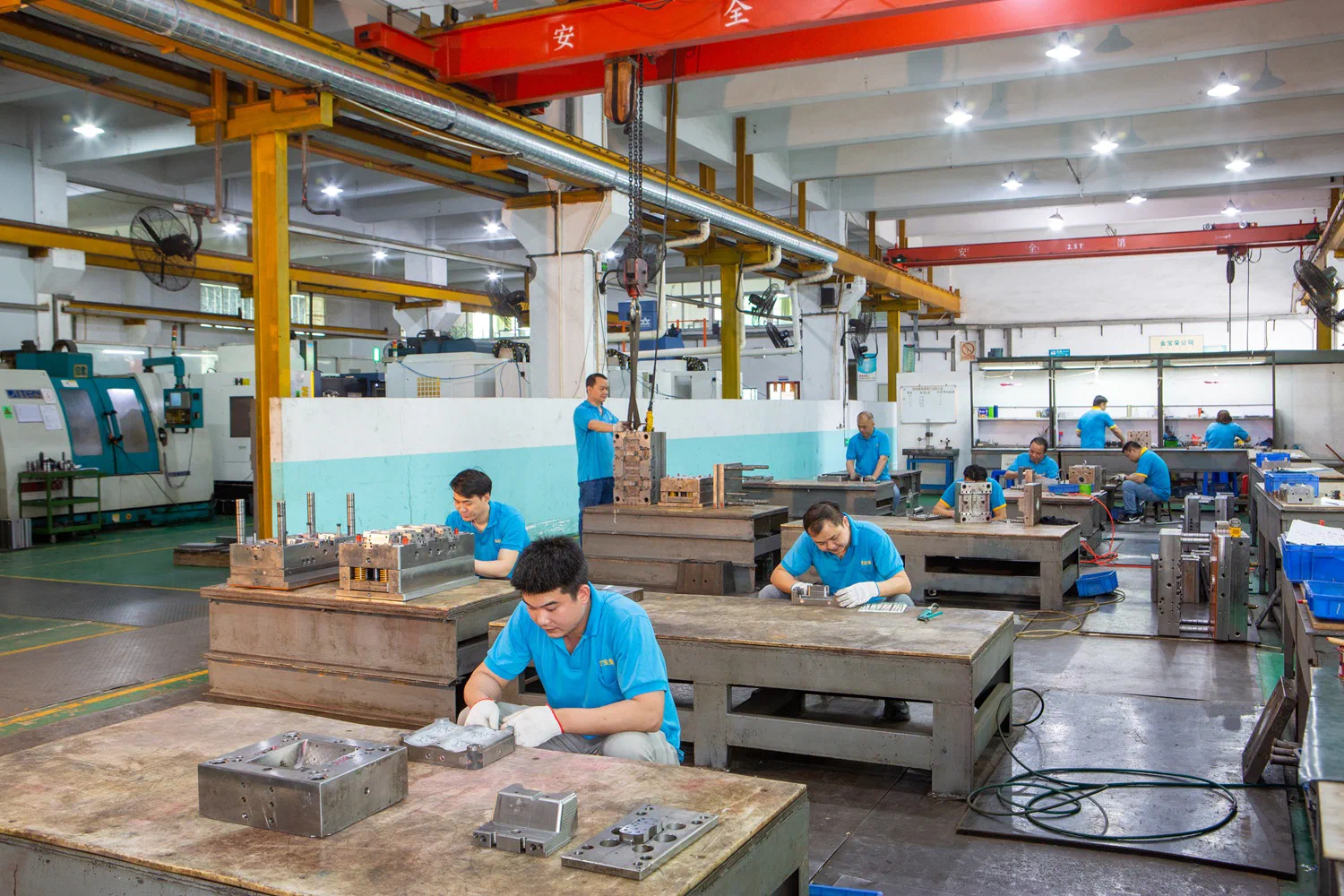
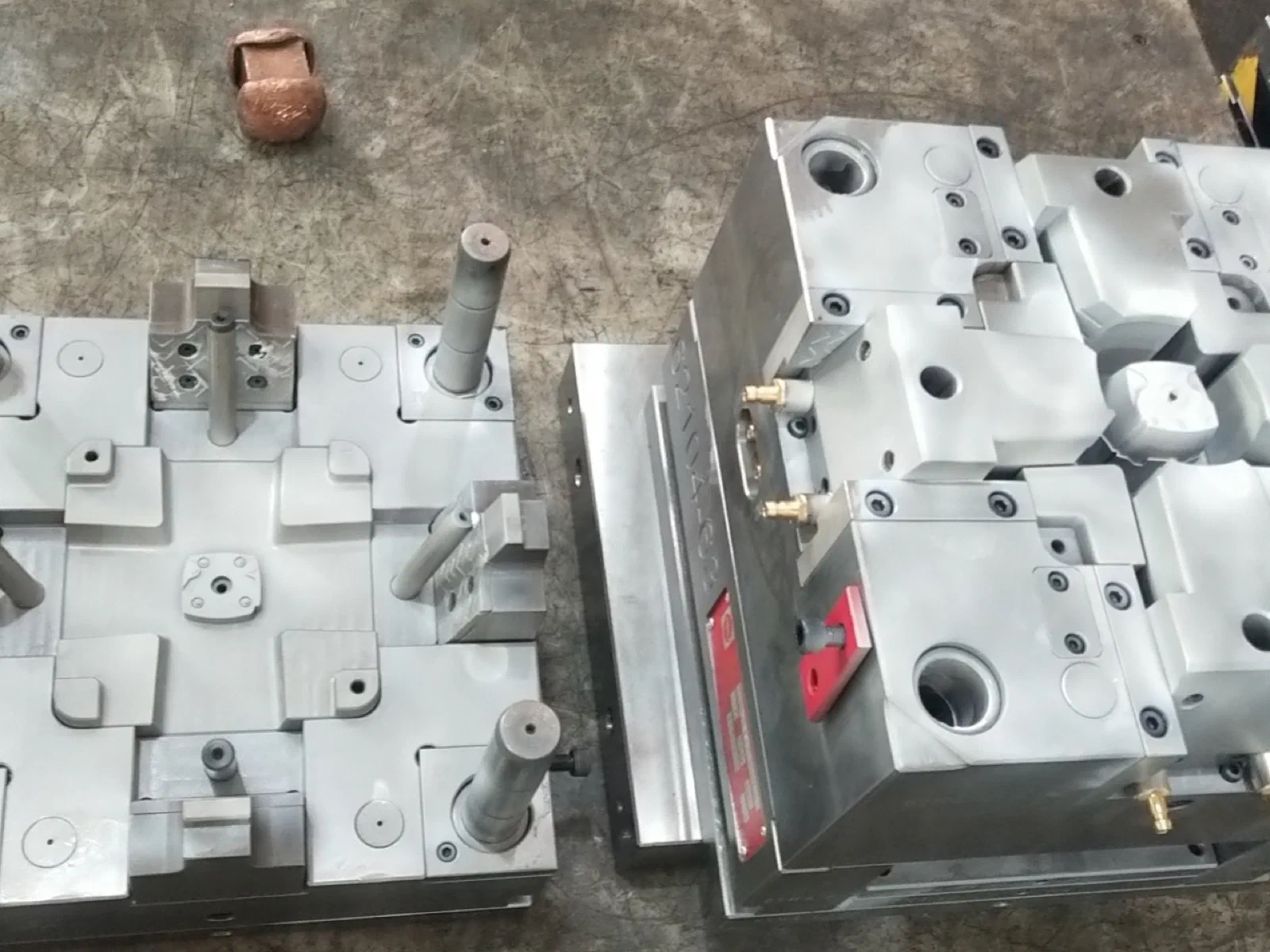
In-house mold shop: DFM review, mold design, T1 samples and tool maintenance.
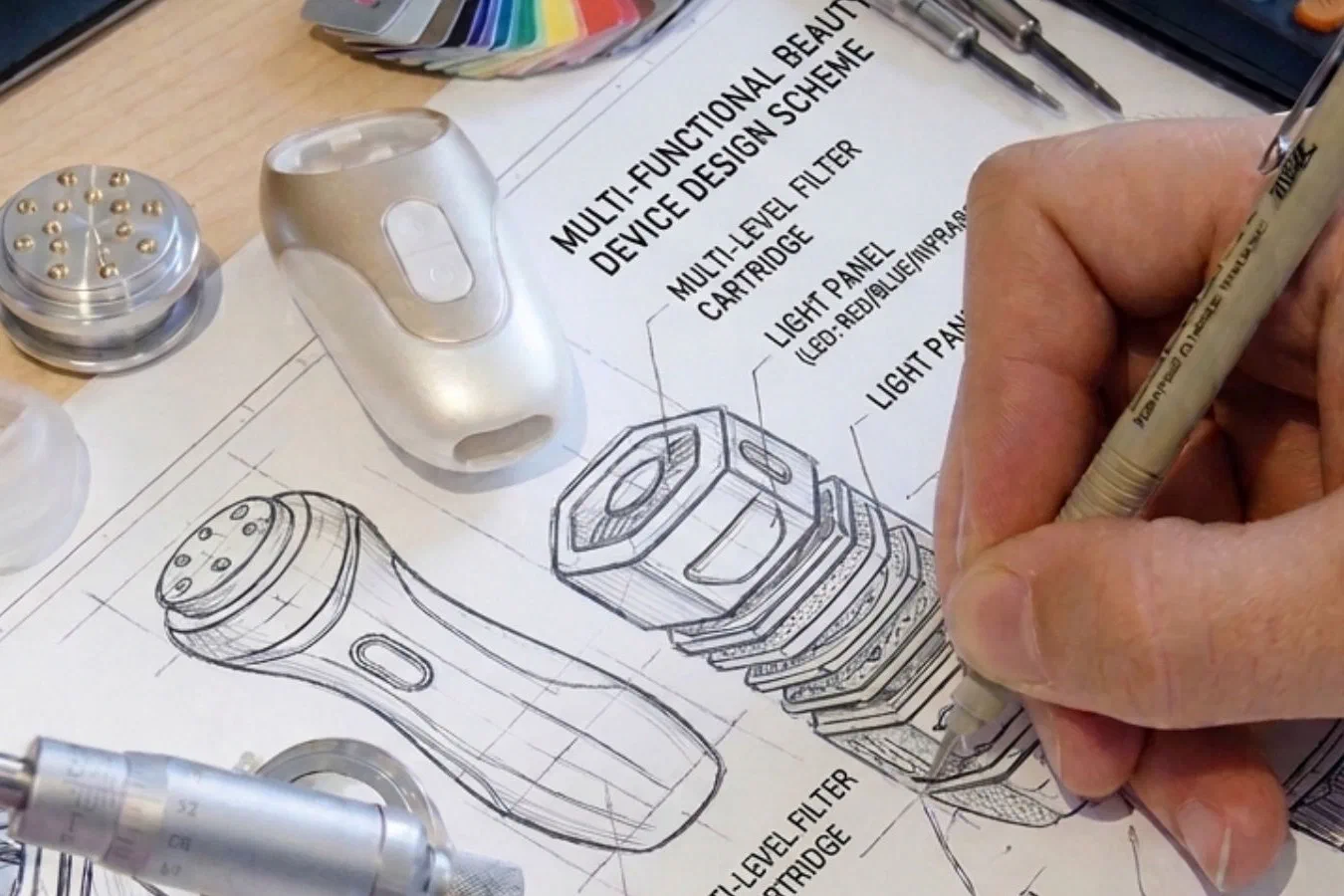
Tooling is where a project schedule is usually lost, which is why we keep it in-house. Before steel is cut, the mold shop reviews the design for draft, wall thickness, gate position and cooling. Most of the defects that appear in T1 — sink marks, warpage, short shots, visible weld lines — are decided at that review, not at the press.
When a design cannot be molded as drawn, the conversation happens before the tool exists. That is the cheapest moment to change a wall thickness or move a gate; after cutting it is a modification, a delay and a cost someone has to absorb.
T1 is a measurement, not a photograph
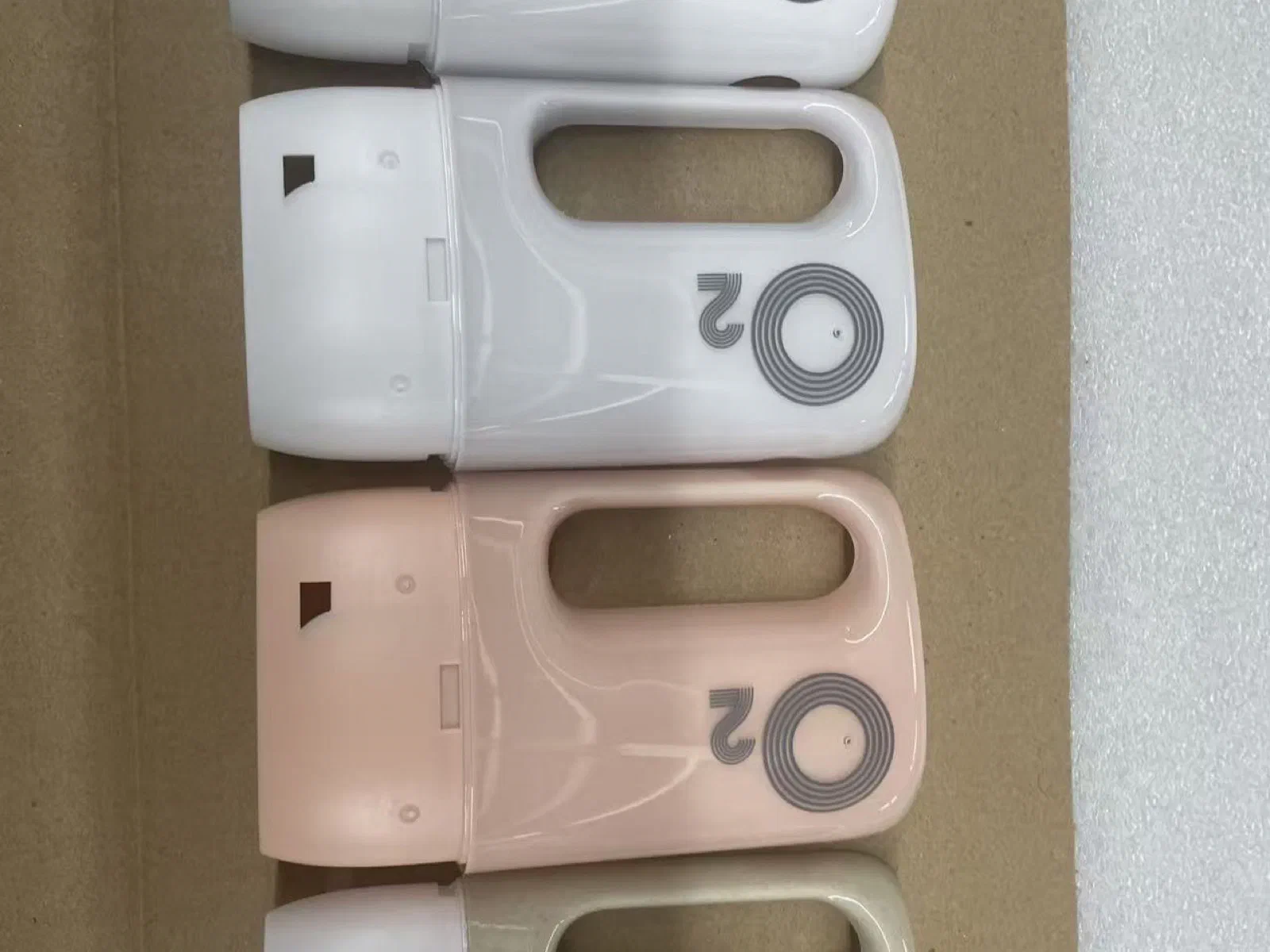
T1 samples are measured against the drawing dimensions and reported with deviations, not just photographed on a table. A buyer can see which dimensions are inside tolerance and which need a tool correction, instead of being asked to judge from a picture.
T2 follows when T1 is out of tolerance, with the correction stated on paper. Production is not released on a tool that has not yet met the drawing.
Ownership and maintenance
Tooling ownership is written into the contract. Tools that run are maintained on a schedule, and the wear parts — ejector pins, gate inserts, sliders — are listed so that a repeat order three years later is not a surprise.
If a mold has been idle, we run a trial before quoting a repeat order rather than assuming the last good settings still hold.
At a glance
- Scope
- DFM review, mold design, steel cutting, T1 and T2 trials, tool maintenance
- Where it happens
- In our own mold shop, next to the injection floor — not subcontracted
- Presses on site
- 40 injection machines, so trial shots do not wait for an outside slot
- T1 output
- Measured against the drawing, with a deviation report — not just photos
- Ownership
- Stated in the contract; tooling is not held as leverage
What you get