Custom Development
A new device from a blank sheet — industrial design, mechanical and electrical engineering, prototype iterations, tooling and certification.
MOQ 500 pcs · Sample lead time 3–7 days · Lead time 25–35 days
Custom development is the only route where the mechanism itself is new. That changes the nature of the risk: a platform project fails on market fit, a custom project can fail on physics. The engineering discipline is to find the physics failures while the parts are still printed in plastic, not after the steel is cut.
Start from the three numbers
Before any CAD, the requirement is reduced to the target landed cost, the certification route for the destination market and the housing size the user will accept. Those three decide most of the architecture, and they conflict. A slimmer housing means a smaller battery; a cheaper MCU means fewer functions or a slower sensor read.
We put the trade-off in writing at feasibility stage. It is the cheapest moment to choose, and the only moment when choosing costs nothing.
Prototypes are for finding failure
The first functional prototype is expected to fail something. What matters is which thing, and whether the report says so. A prototype that only confirms the design was a good idea has not been tested hard enough.
What crossing into production takes
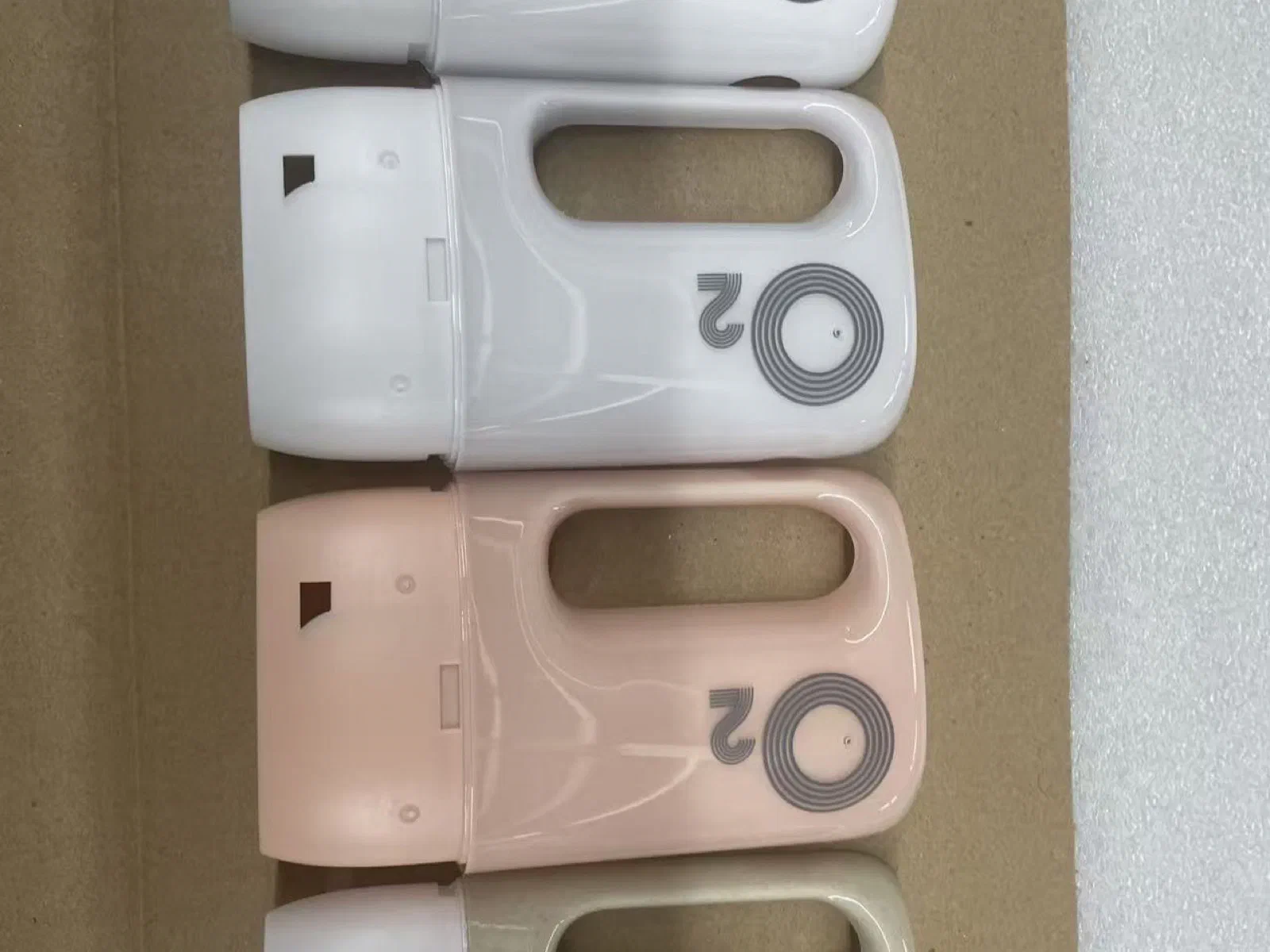
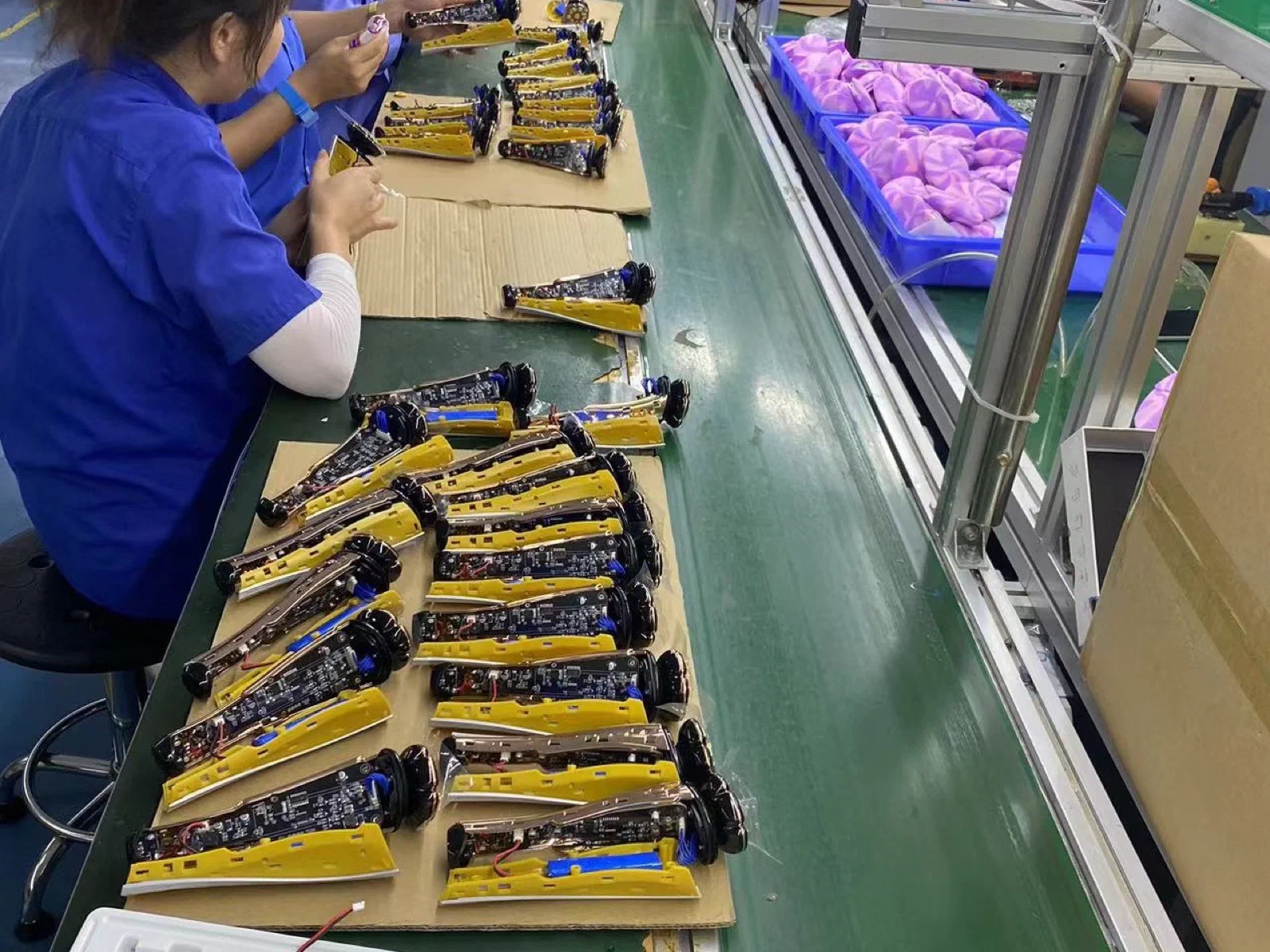
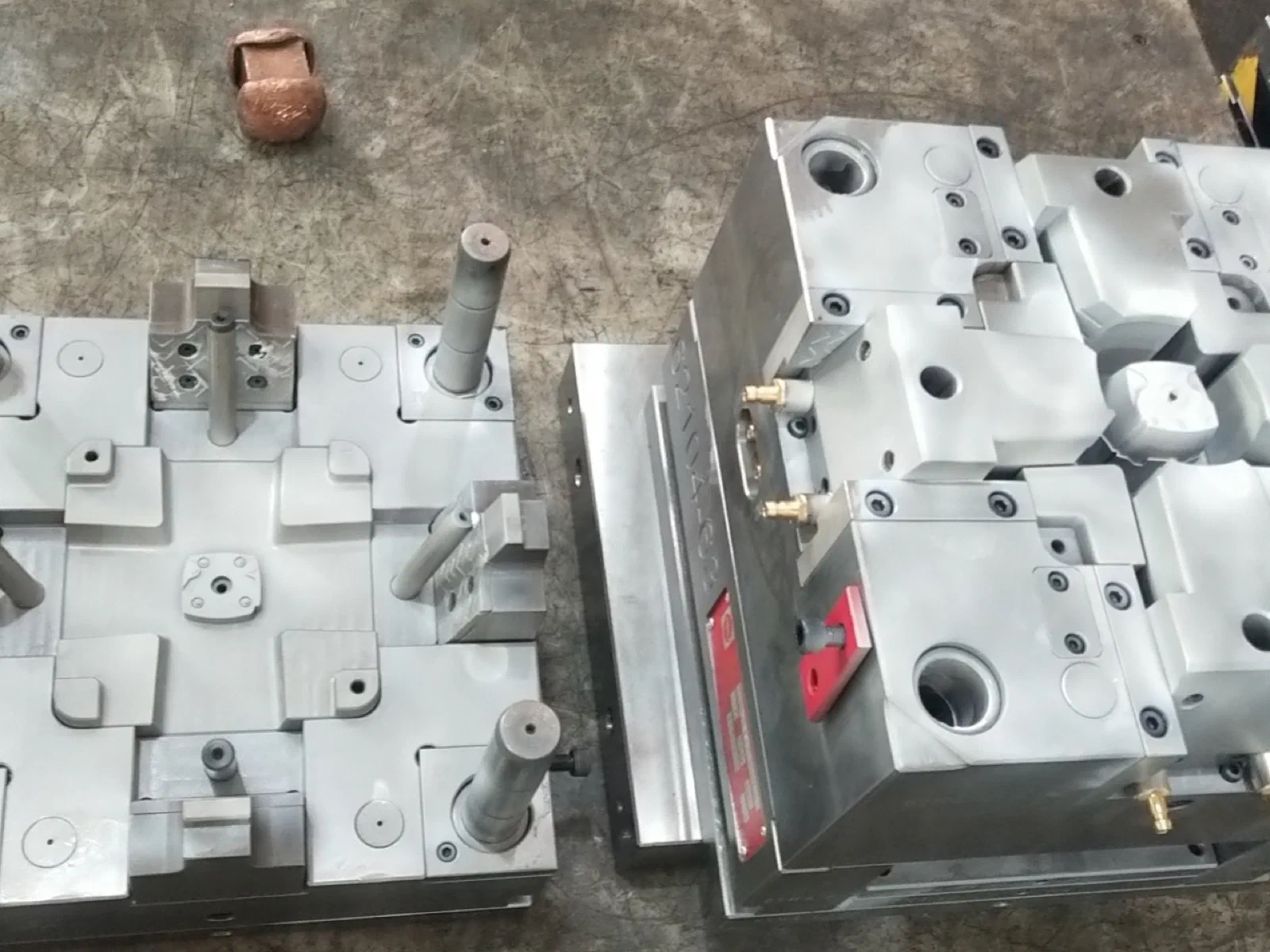
Tooling, T1 measurement, T2 correction where needed, certification at a third-party laboratory, a pilot run on production fixtures, and then serial production. Each of those steps has a document that comes out of it — and those documents are what a buyer’s compliance team will ask for.
At a glance
- Scope
- Industrial design, mechanical, electronics, firmware, tooling, certification and production
- Team
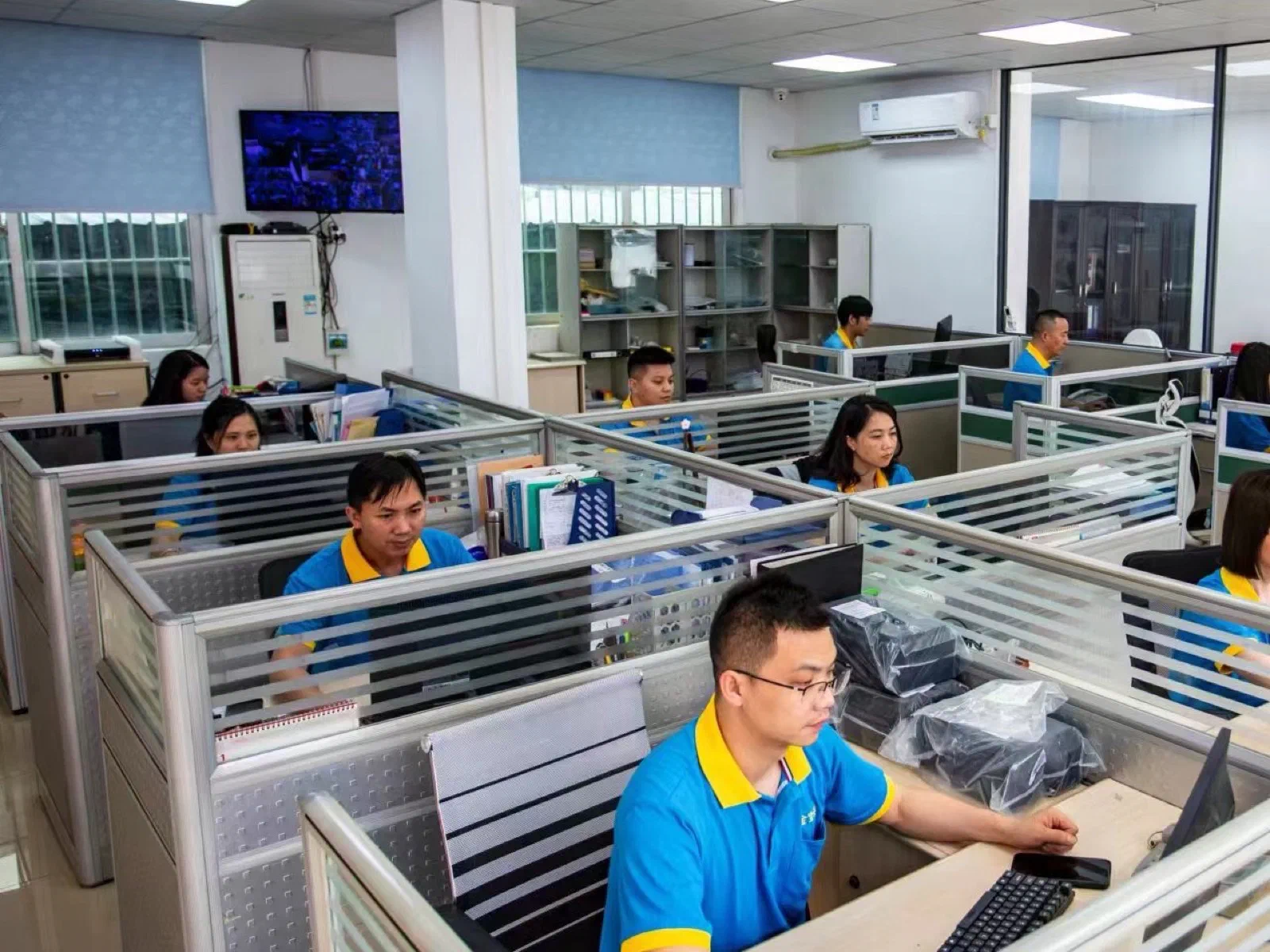
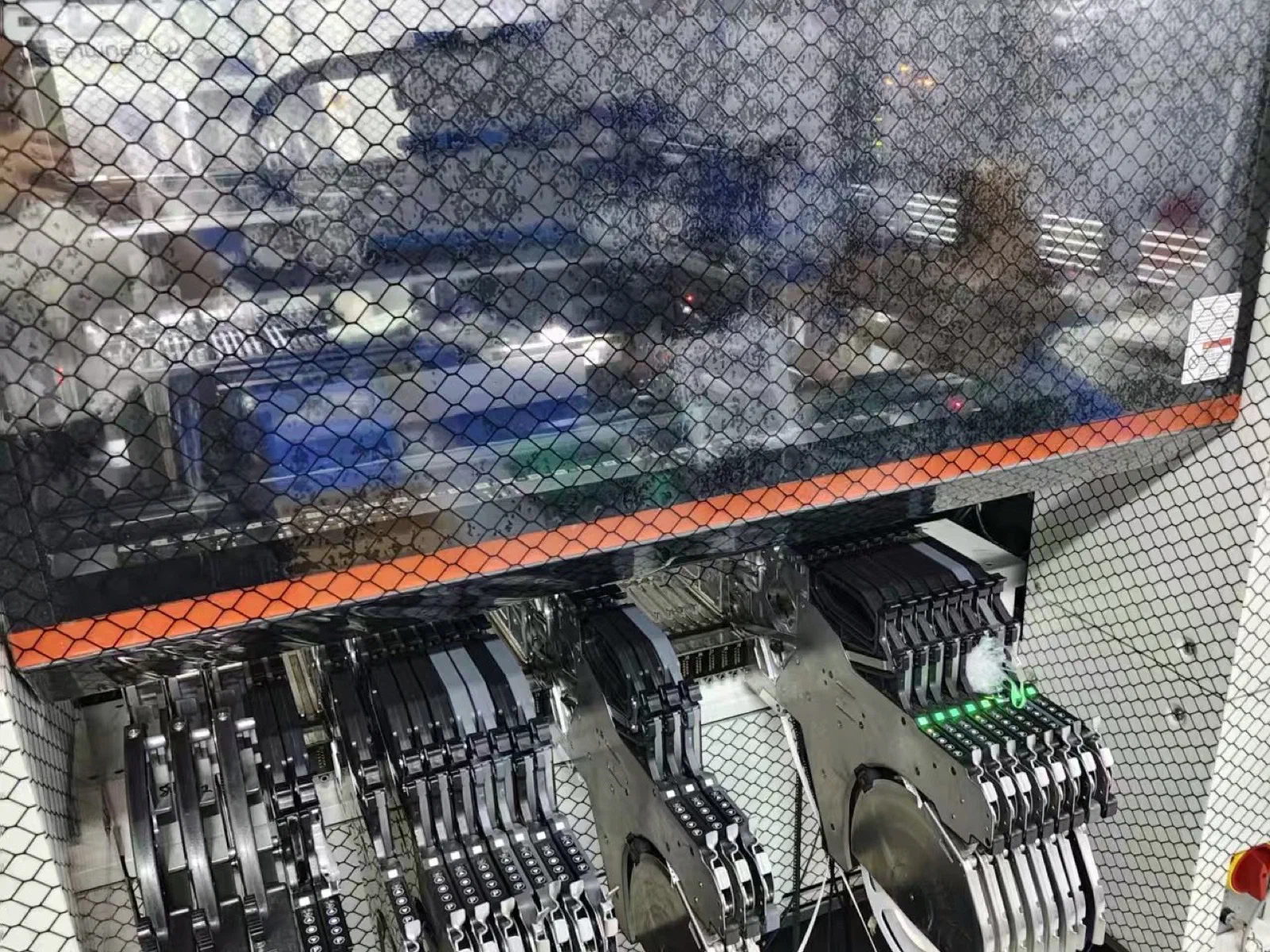
- 50 engineers across mechanical, electronics and firmware, with in-house tooling and SMT
- Prototype route
- Form model, functional prototype, then tooled T1 samples before serial release
- Timeline
- Depends on the mechanism; a new mechanism is a development programme, not a purchase order
- Risk split
- Written down at feasibility: what depends on us, what depends on the certification body, what depends on your market
What is included
How a project runs
- 01 Requirement and feasibility
- 02 Concept and industrial design
- 03 Mechanical and electronics design
- 04 Prototype and validation
- 05 Tooling and T1
- 06 Certification and production
Common questions
How long does a new device take?
It depends on the mechanism. A new housing on known electronics is a tooling cycle; a new mechanism adds prototype iterations, a reliability programme and a certification cycle. We give a schedule with the named dependencies rather than a single number.
Who owns the design?
That is a contract term. The usual arrangement is that the buyer owns the tooling and the design files they paid for; we retain the background technology we brought to the project.
What if the prototype fails validation?
It usually does, on the first pass, in a way that is fixable. The useful output of a failed prototype is a written report on what failed and what changed — not a quiet resubmission.
Other ways to work with us
Custom Development
Tell us the product, target market and volume. You get feasibility and a cost range in writing within 24 business hours.