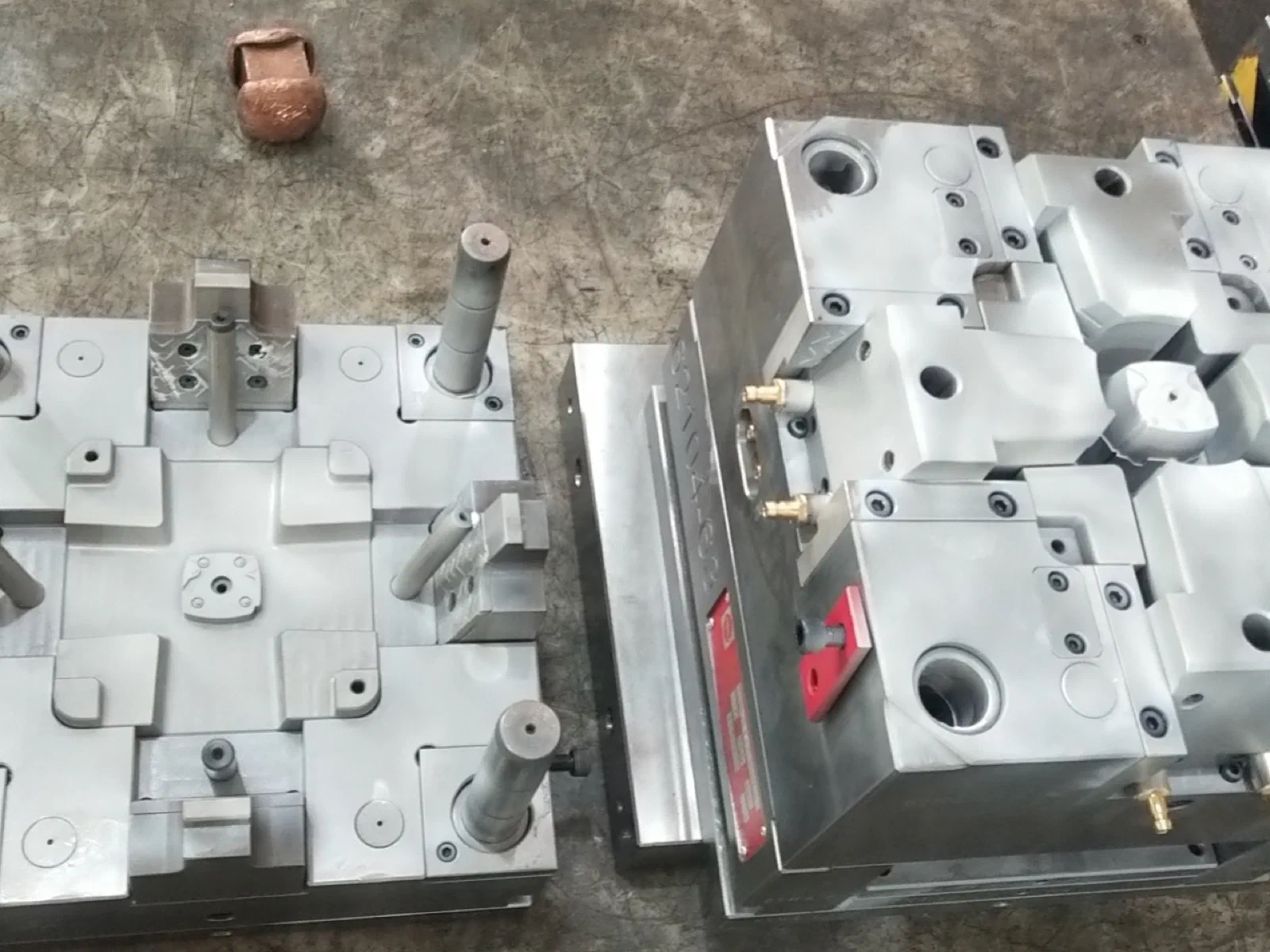
Product Development
From a category gap to a shippable product — concept, engineering, tooling and certification managed as one programme.
MOQ 500 pcs · Sample lead time 3–7 days · Lead time 25–35 days
Product development is for the buyer who has decided to enter or extend a category and needs the whole chain, not a quotation for a part. The work starts one step earlier than engineering: with the question of what the product has to be better at, and what that is worth on the shelf.
The category question first
Nine device families and 26 models in production is a useful position from which to answer it. We can say what a comparable device costs to build, where the price floor actually sits, and which features are expensive to add but invisible to the user.
That analysis sometimes ends the project. It is cheaper to end it at the specification gate than at the tool.
One schedule, one owner
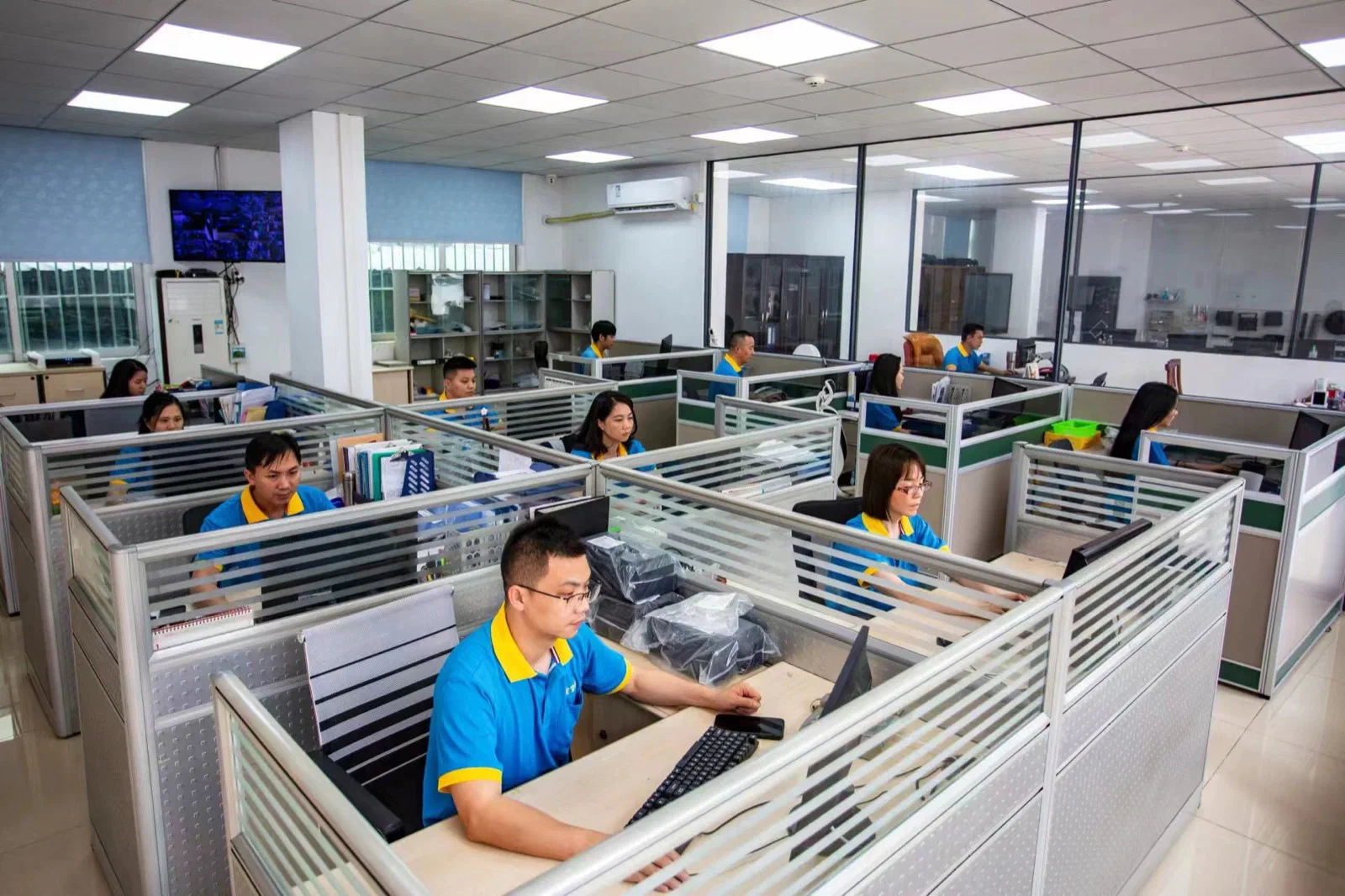
Design, electronics, tooling, certification and production are usually separate suppliers, which is why a slip in one becomes an argument between three. Under one programme, the same team owns the schedule and the change has one owner — the cost of a change is visible immediately rather than discovered at the container.
The four gates
Feasibility, design freeze, T1 approval and production release. Each gate produces a document and a decision, and a project that has passed a gate without one is a project that will revisit that decision later, at a higher price.
At a glance
- Best for
- A brand or distributor that knows the category and needs a product, not a factory introduction
- What we bring
- Category knowledge across 9 device families and 26 models, plus in-house tooling and electronics
- Deliverables
- Specification, design, prototype, tooling, certification package and production
- Decision points
- Four written gates — feasibility, design freeze, T1 approval, production release
- Why one programme
- The same team owns the schedule from specification to shipment, so a change has one owner
What is included
How a project runs
- 01 Category and gap analysis
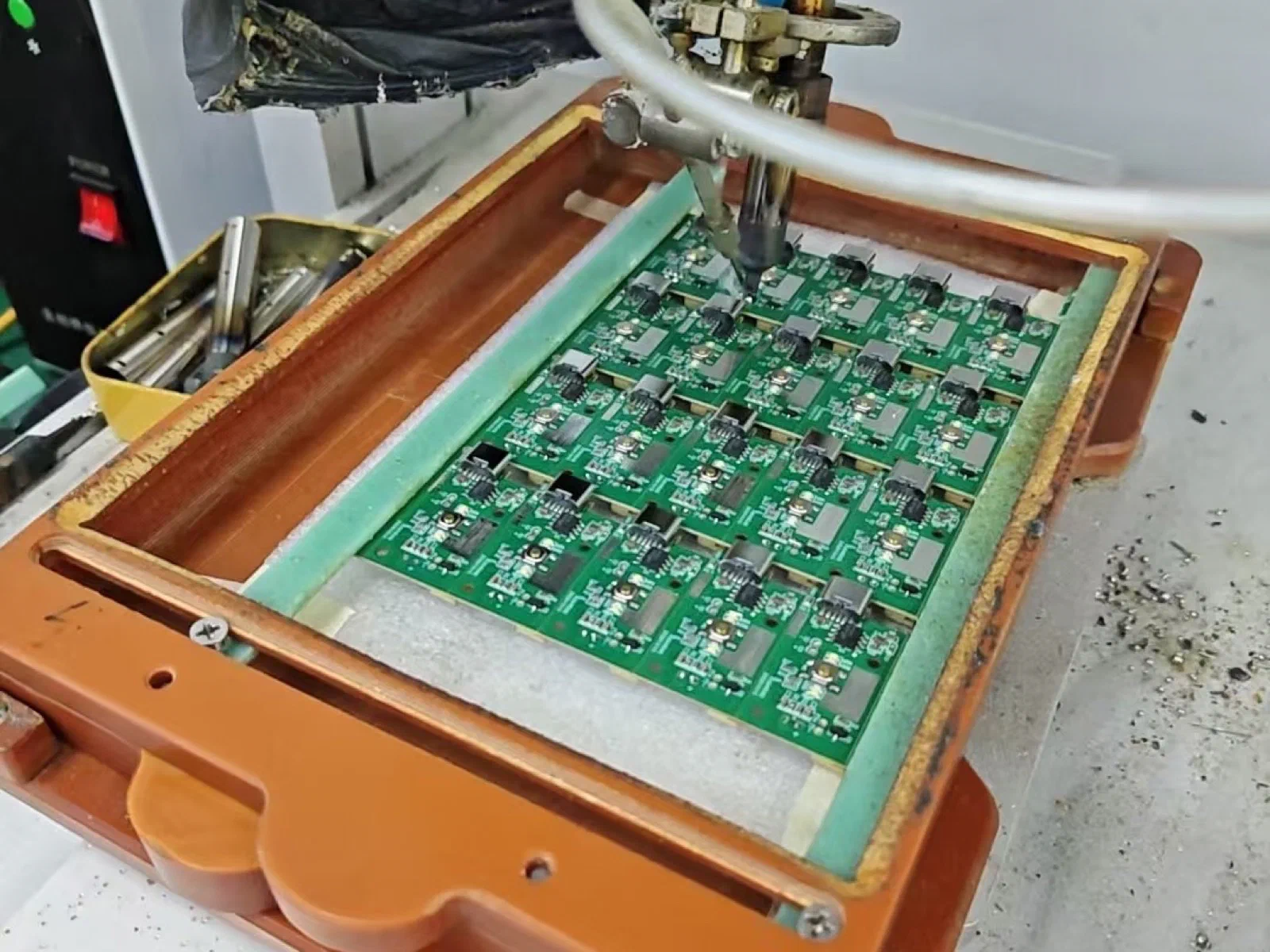
- 02 Specification and feasibility
- 03 Design and prototype
- 04 Tooling and T1
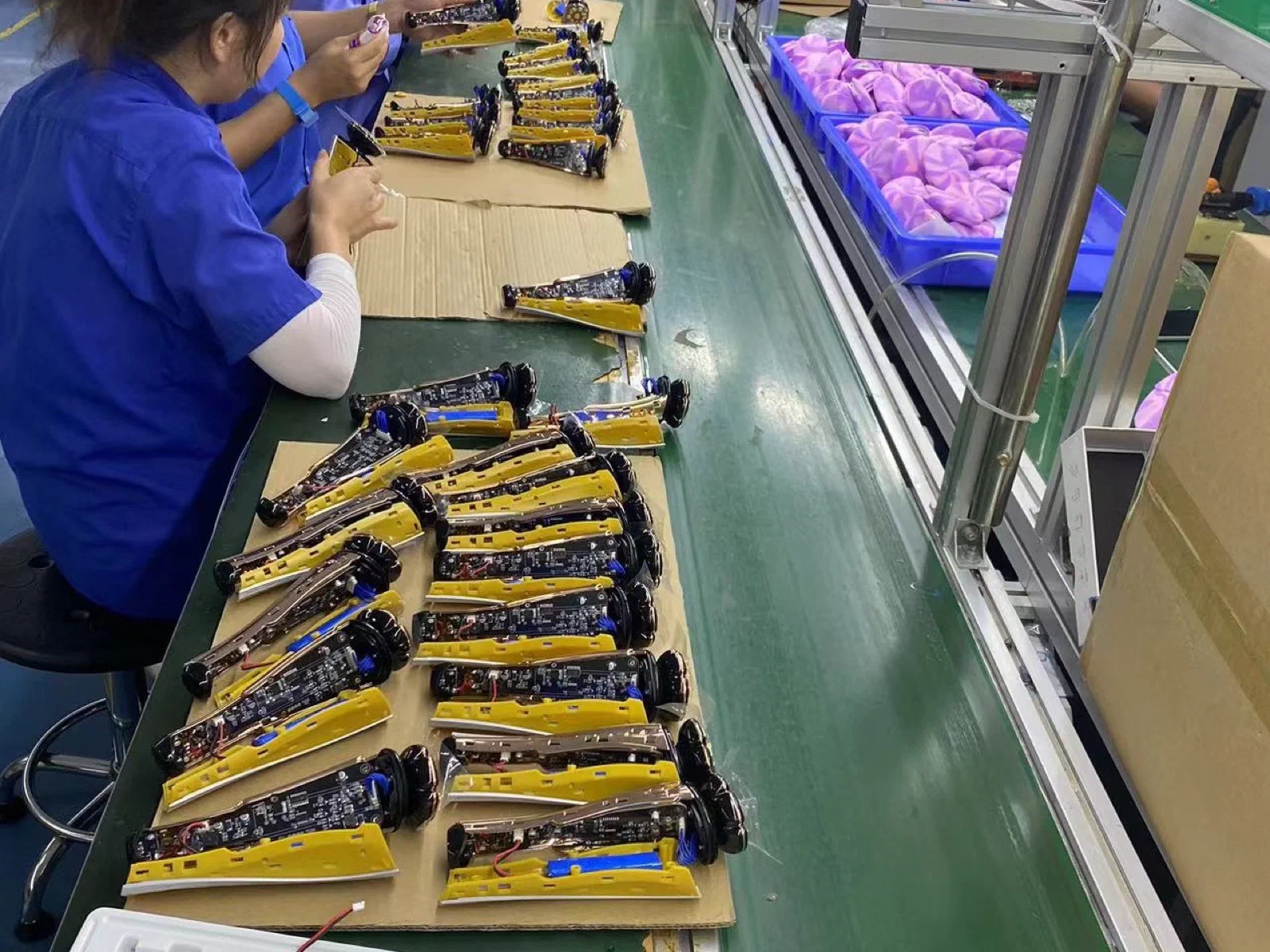
- 05 Certification and launch
Common questions
How is this different from custom development?
Custom development answers "can this device be built". Product development answers "should this device exist, at what price, for which shelf". It includes the category and cost analysis before the engineering starts.
Can you work with our existing factory?
Yes, when the gap is design or certification rather than manufacturing. The programme can stop at a transferable design and tooling package.
What if the category is already crowded?
Then the specification has to win on something other than price — accuracy, size, battery life, a user interface. That decision belongs at the specification gate, and it is the point where most projects should stop.
Other ways to work with us
Product Development
Tell us the product, target market and volume. You get feasibility and a cost range in writing within 24 business hours.